What You Need To Know About Hantavirus
What a Cruise Ship Hantavirus Outbreak Can Teach Homeowners About Rodent Droppings
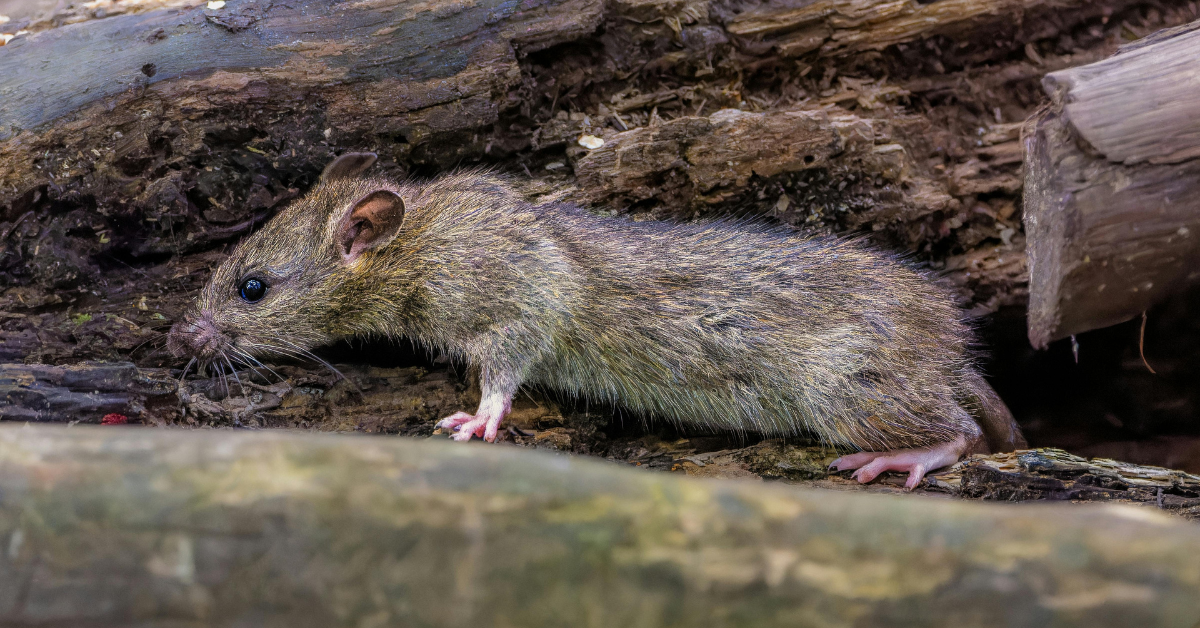
Recent news about a hantavirus outbreak on an international cruise ship has drawn global attention. While outbreaks like this are rare, they underscore an important reality: hantavirus doesn’t begin with people—it begins with rodents.
That makes this story especially relevant for homeowners.
What Is Hantavirus?
Hantavirus is a serious illness spread mainly through contact with infected rodent urine, droppings, or saliva. Most infections occur when contaminated dust becomes airborne and is inhaled, often during cleaning, sweeping, or home maintenance.
Early symptoms can feel like the flu—fever, fatigue, and muscle aches—but in severe cases, hantavirus can rapidly progress to life‑threatening lung and heart complications.
Why This Matters at Home
Health officials believe the cruise ship outbreak likely began after passengers encountered rodent‑contaminated environments during shore excursions—before ever boarding the ship. The virus traveled silently, long before anyone realized what was happening.
Homes can pose similar risks.
Rodents often nest in basements, attics, crawl spaces, garages, sheds, and wall cavities. Because mice and rats are nocturnal and elusive, their droppings and urine can accumulate unnoticed for long periods.
The Hidden Danger of Rodent Droppings and Urine
Rodent droppings aren’t just unsanitary—they can be hazardous.
When droppings or dried urine are:
- Swept
- Vacuumed
- Disturbed during renovations
- Moved by airflow
microscopic particles can be released into the air. Inhalation is the primary pathway for hantavirus exposure, making improper cleanup especially dangerous.
Why DIY Cleanup Can Increase Risk
A common mistake is attempting to clean rodent waste without proper precautions. Sweeping or vacuuming can aerosolize contaminated particles, increasing exposure rather than eliminating it.
Without proper containment, protective equipment, and disinfectants, do‑it‑yourself cleanup can accidentally turn a localized problem into a serious health concern.
Why Professional Cleaning Is Essential
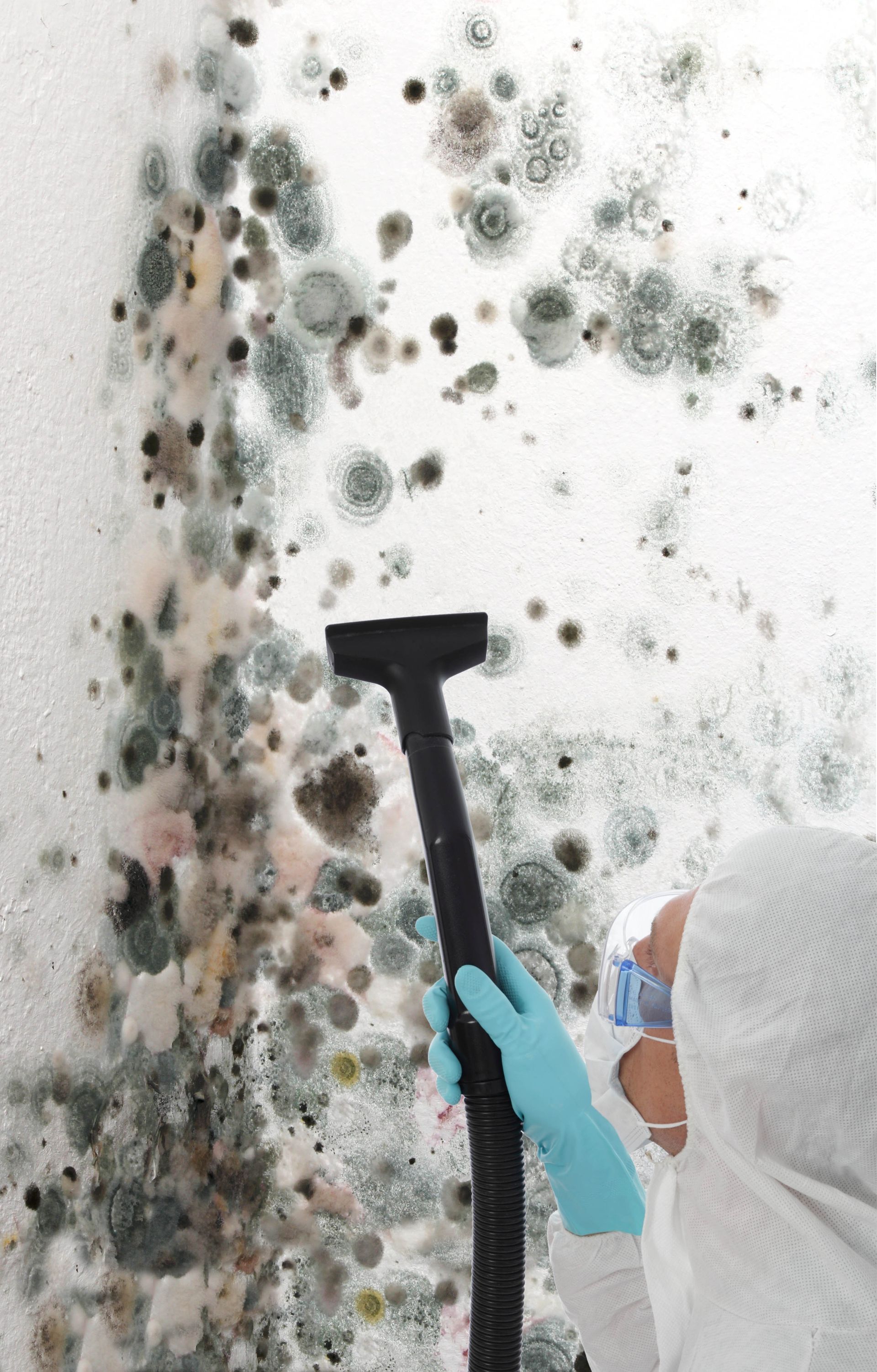
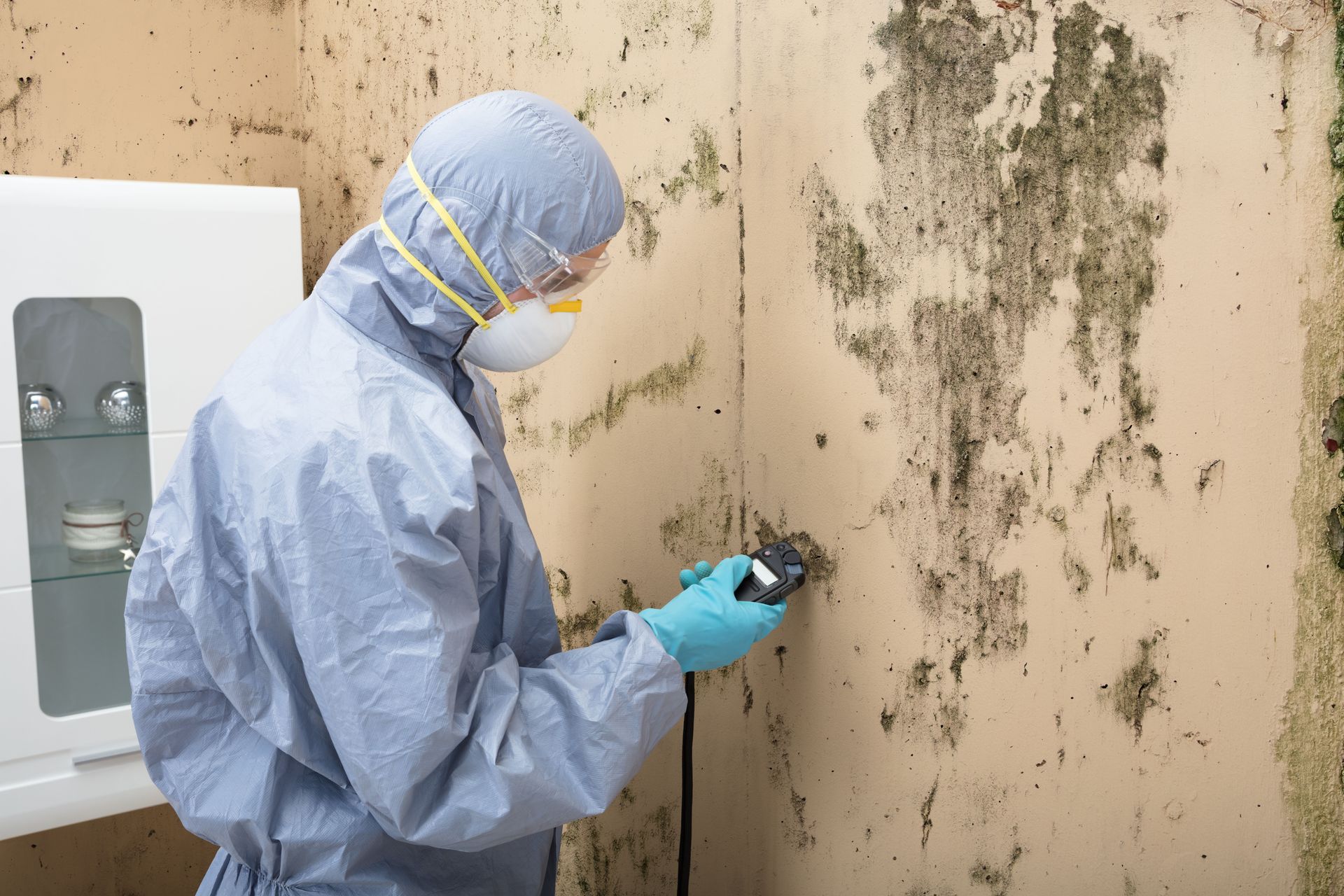
Professional environmental cleanup teams are trained to:
- Identify contaminated areas that aren’t visible
- Contain and control airborne particles
- Use appropriate PPE
- Remove, disinfect and deodorize
- Dispose of contaminated materials safely
This controlled approach greatly reduces health risks and ensures the contamination is fully addressed.
The Bottom Line
The cruise ship hantavirus outbreak may feel far away, but the lesson hits close to home: Rodent droppings and urine are not just a nuisance—they can be dangerous.
If you suspect rodent activity in your home:
- Do not sweep or vacuum droppings
- Avoid disturbing contaminated areas
- Call a professional immediately
Call a Trusted Local Professional
If you’re dealing with rodent contamination or want peace of mind, contact SMS Indoor Environmental Cleaning, Inc.
📍 Medway, MA
🌐 https://www.smsindoor.com
📞 508‑533‑9696
SMS Indoor Environmental Cleaning, Inc. specializes in safe, professional cleanup of rodent droppings and contaminated indoor environments, helping protect both your home and your health.

Share On: