Tips for Choosing the Right Mold Removal Service
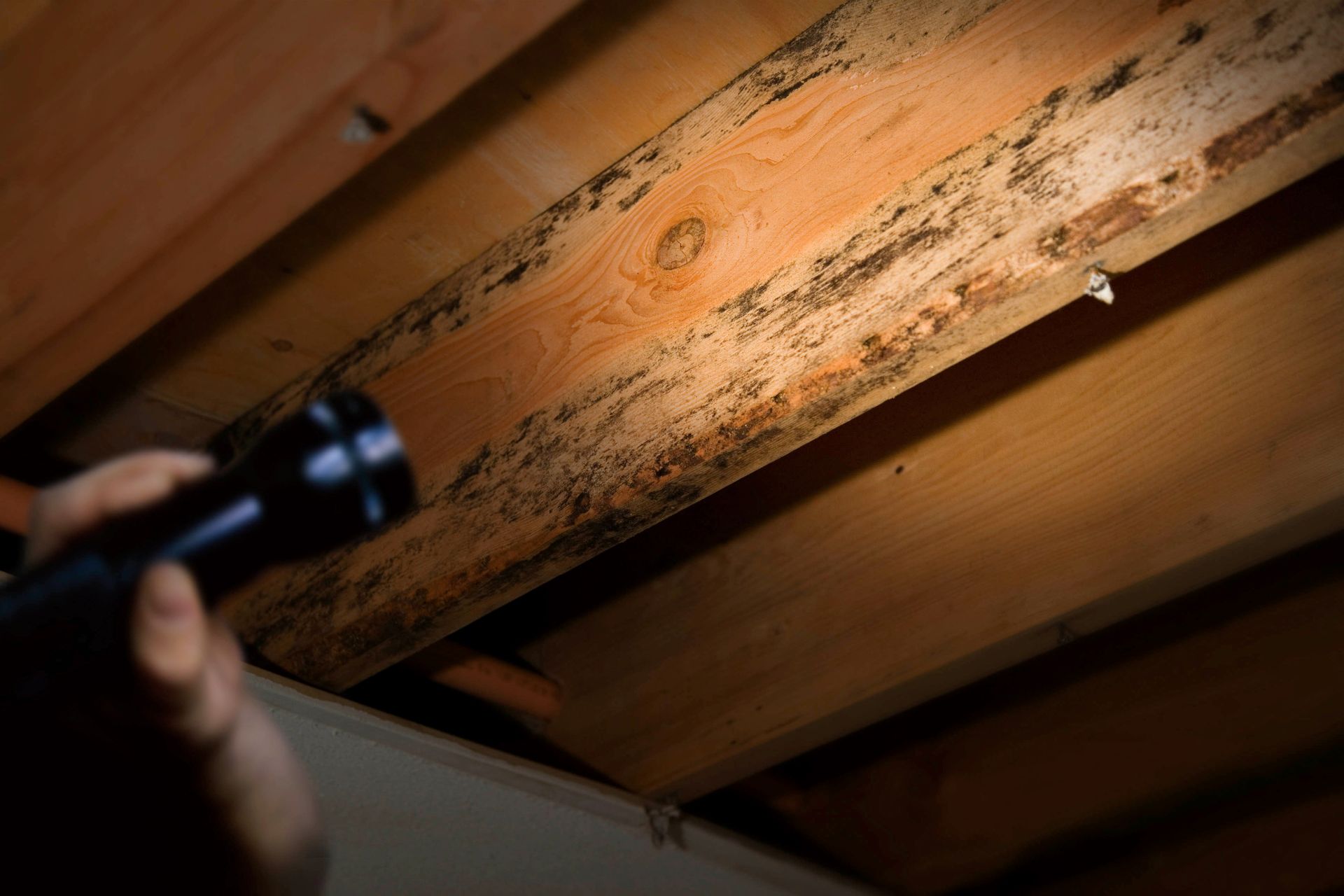
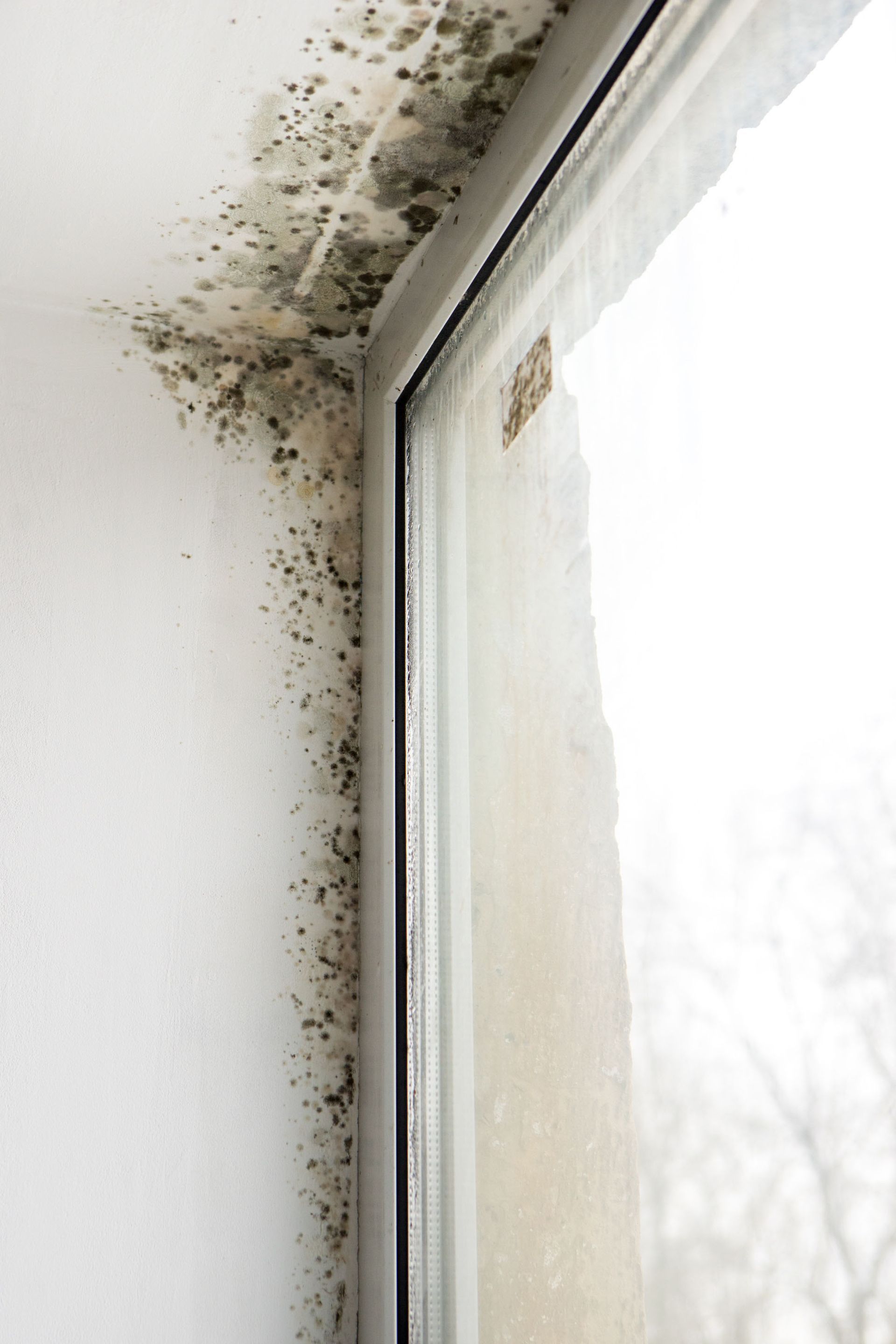
Discovering unwanted fungal growth inside your residence presents significant health risks alongside potential structural destruction, making prompt remediation an absolute priority for every property owner. Selecting an experienced mold removal service requires careful evaluation of industry credentials, specialized remediation equipment, transparent pricing models, and client feedback. Many homeowners act hastily out of fear, hiring unverified contractors who execute substandard work that fails to address underlying moisture issues. Taking a methodical approach guarantees that qualified specialists handle the contamination safely and thoroughly. By understanding key evaluation criteria, property owners protect their household investments, preserve indoor air quality, and secure lasting peace of mind for their families.
Researching Industry Credentials and Industry Certifications
Proper accreditation serves as the foundational benchmark when evaluating candidates to handle home environmental restoration tasks safely. Professional remediation companies should hold active certifications from recognized organization bodies like the Institute of Inspection, Cleaning and Restoration Certification. These credentials verify that technical crews underwent rigorous instruction regarding environmental containment standards, spore eradication protocols, and safety procedures. Hiring an unqualified team exposes your living space to cross-contamination, as improper handling causes airborne spores to spread into clean zones. Verifying official credentials upfront confirms that technicians possess necessary skills to execute complete remediation work while adhering strictly to current industry health and safety guidelines.
Identifying Common Mold Types and Environmental Risks
Understanding specific fungal threats within residential environments helps property owners communicate effectively with remediation specialists during initial consultations. According to the CDC, the three most common types of mold include Cladosporium, Penicillium, and Aspergillus. Each variety thrives under distinct humidity conditions and presents unique structural or respiratory hazards to exposed occupants. Professional technicians identify exact species using lab testing to tailor remediation procedures for maximum efficiency. Partnering with a certified mold removal service ensures that technicians utilize targeted protocols capable of fully neutralizing dangerous infestations, preventing future health issues, and restoring healthy indoor air quality across living areas.
Evaluating Insurance Coverage and Regulatory Compliance
Comprehensive liability protection and workers' compensation coverage are mandatory prerequisites before any remediation crew begins work on your residence. Fungal remediation carries inherent risks, including accidental property damage, hidden structural degradation, or accidental injury to crew members working within tight spaces. Requesting direct proof of active insurance policies protects homeowners from absorbing financial liabilities resulting from workplace accidents or unforeseen property damage during containment procedures. Furthermore, reputable contractors maintain full compliance with state and federal environmental safety regulations, ensuring proper disposal of contaminated materials. Choosing a fully insured mold removal service shields your assets against unexpected liabilities throughout complex residential restoration projects.
Inspecting Containment Equipment and Cleaning Technologies
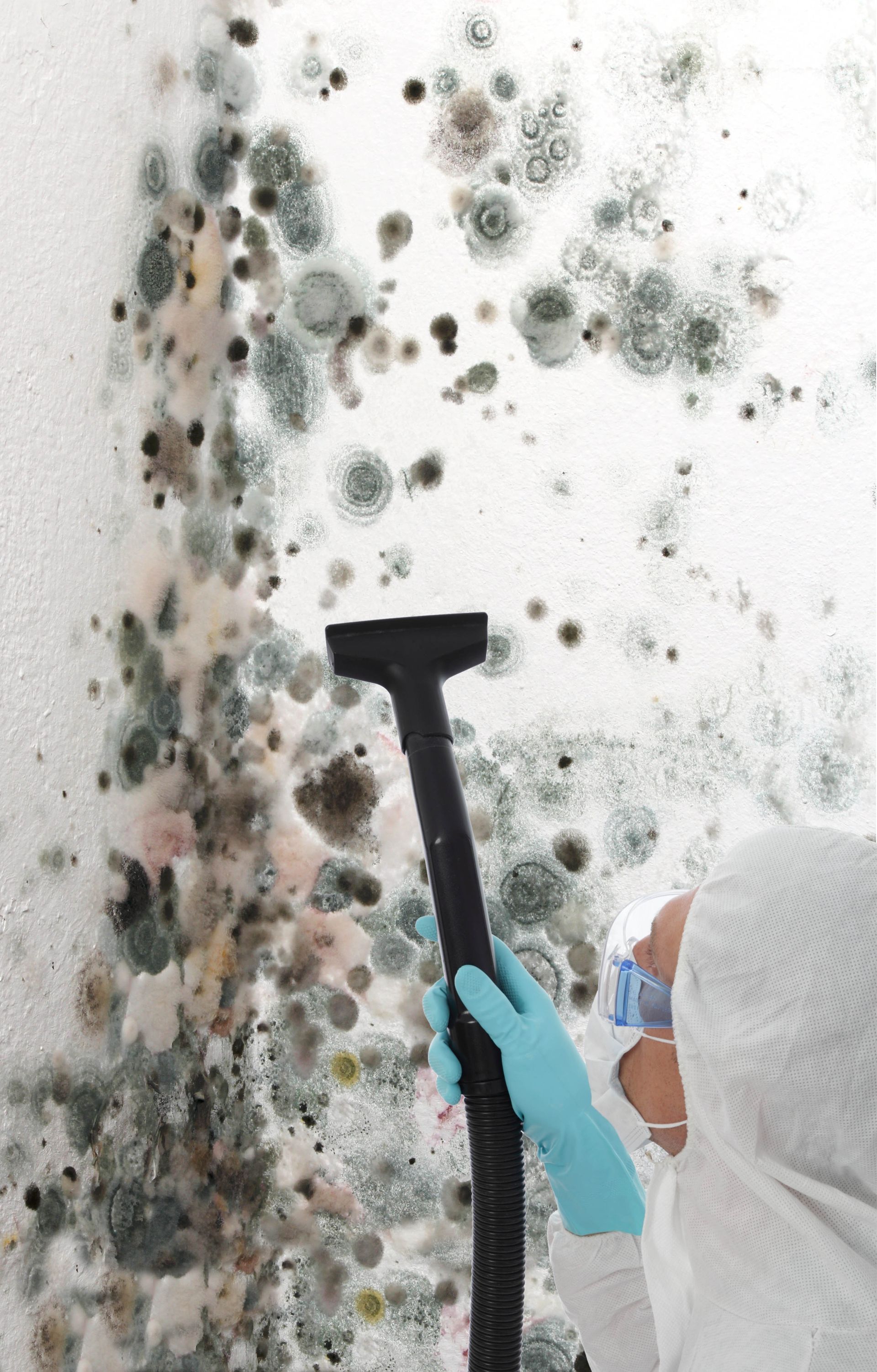
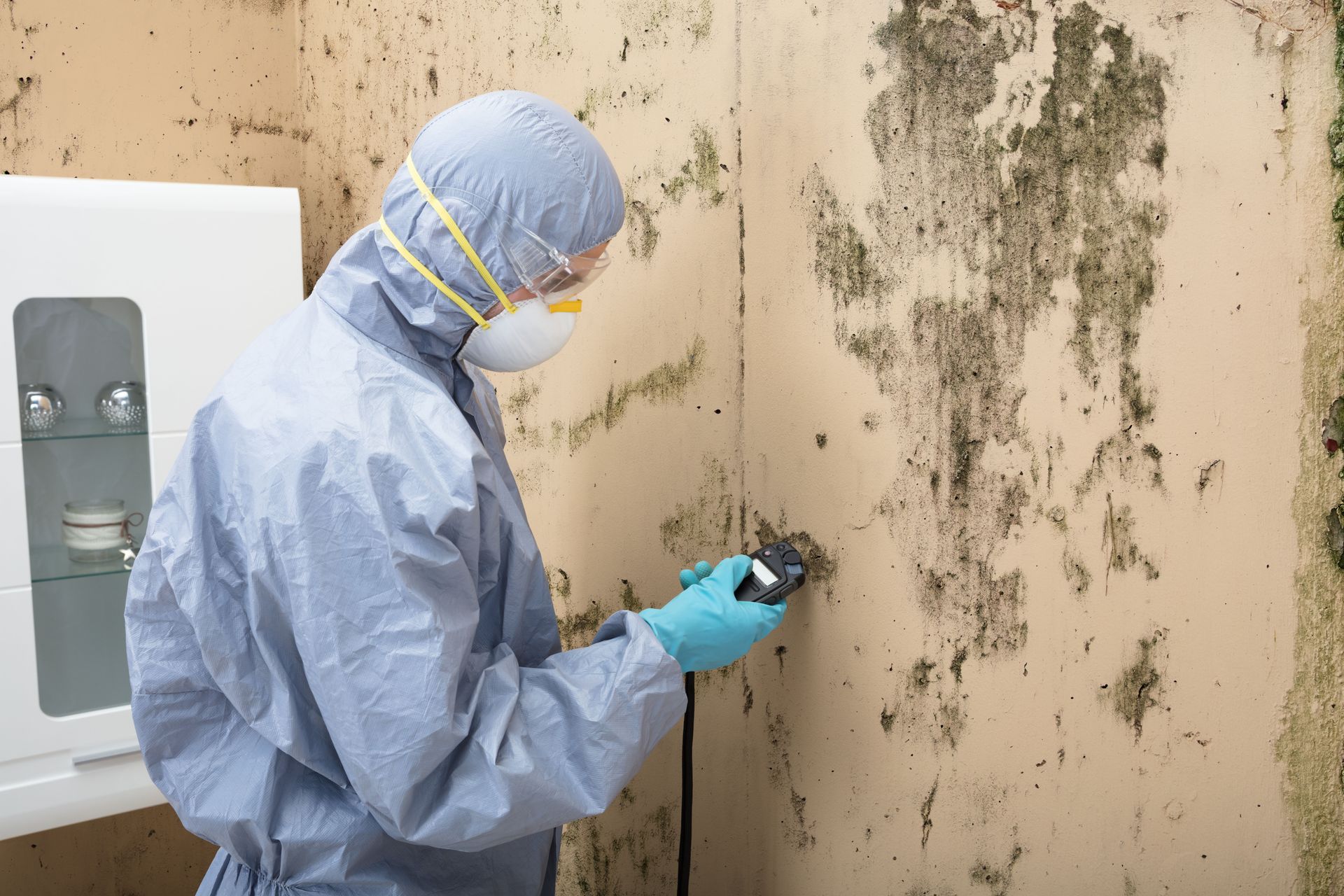
Modern remediation requires specific equipment designed to isolate microscopic spores and extract moisture effectively from affected building materials. Qualified contractors utilize high-efficiency particulate air filtration units, negative air machines, heavy-duty dehumidifiers, and commercial moisture meters to manage infestations completely. During preliminary interviews, ask prospective contractors about their specific containment strategies and equipment maintenance schedules to ensure high operational standards. Inferior tools allow microscopic contaminants to escape into clean areas, causing secondary infestations in adjacent rooms. Selecting a technologically equipped mold removal service ensures complete containment, accurate moisture mapping, and thorough removal of hidden fungal colonies behind drywall and flooring.
Assessing Experience With Residential Remediation Projects
Years of hands-on field experience play a vital role in successfully identifying hidden water intrusion points and executing lasting structural remediation solutions. Established contractors have encountered diverse contamination scenarios, ranging from localized bathroom outbreaks to massive crawlspace infestations following severe flooding. Experienced technicians understand how moisture migrates through structural frameworks, allowing them to rectify root causes rather than simply cleaning visible surface stains. Reviewing past project portfolios and discussing similar completed cases provides clarity regarding a contractor's problem-solving capabilities. Hiring an experienced mold removal service minimizes project delays, prevents recurring moisture issues, and ensures efficient execution tailored specifically to your home's unique layout.
Examining Customer Reviews and Online Testimonials
Client feedback provides unvarnished insight into a remediation firm's reliability, work ethic, communication standards, and overall service quality. Browse independent review platforms, local business directories, and consumer watchdog websites to evaluate previous client experiences thoroughly. Pay close attention to comments detailing project timeliness, adherence to original cost estimates, cleanliness during containment, and post-remediation follow-up services. Consistent complaints regarding hidden fees, unprofessional conduct, or persistent fungal growth after service completion indicate major red flags. Gathering authentic client feedback allows homeowners to select a dependable mold removal service that delivers high-quality workmanship while maintaining transparent communication throughout every restoration phase.
Demanding Written Estimates and Transparent Pricing
Clear financial documentation prevents surprising billing disputes and ensures complete clarity regarding the scope of work performed on your property. Dependable contractors perform thorough initial inspections before providing detailed, itemized cost estimates outlining labor, equipment rentals, disposal fees, and post-treatment testing. Be cautious of companies offering unusually low bids, as low estimates often reflect rushed labor, skipped safety protocols, or hidden charges added later. A written contract should clearly define project timelines, containment procedures, and specific cleanup methods used. Securing clear written estimates enables easy comparisons between providers, helping you select a fair, reliable mold removal service that fits your budget.
Verifying Testing Procedures Through Independent Laboratories
Conflict of interest arises when the same company performs air testing before the treatment, executes remediation, and conducts final clearance testing internally. Reputable contractors recommend utilizing independent environmental testing laboratories to evaluate air quality before and after containment procedures occur. Unbiased third-party testing verifies whether spore counts returned to normal levels, providing objective proof that remediation succeeded completely. Contractors who insist on conducting their own final clearance testing may conceal lingering contamination issues to avoid additional rework. Insisting on independent lab verifications guarantees transparent, accurate results, ensuring your living space is truly safe for occupants before containment barriers are removed.
Reviewing Moisture Source Identification and Prevention Strategies
Eradicating visible fungal colonies provides only temporary relief if underlying water leaks or elevated humidity levels remain unaddressed. Top-tier contractors focus extensively on locating moisture sources, including plumbing leaks, roof failures, inadequate ventilation, or damp foundation walls. During initial assessments, technicians should use thermal imaging cameras and moisture sensors to locate hidden dampness feeding spore growth. Comprehensive remediation plans must include actionable recommendations for moisture control, such as installing dehumidifiers or repairing structural leaks. Selecting a detail-oriented provider guarantees that root causes are eliminated, preventing future fungal resurgence and protecting your structural investment over time.
Analyzing Warranties From Remediation Service Providers
Clear service warranties offer financial protection and demonstrate a contractor's confidence in their remediation strategies and workmanship standards. Reputable firms provide written warranties covering treated areas for specific timeframes, provided that homeowners maintain proper moisture control measures post-remediation. Carefully read warranty terms to understand coverage limitations, required home maintenance tasks, and procedures for reporting recurring contamination issues. Be wary of contractors offering vague verbal assurances without written documentation to support their claims. A clear, comprehensive written warranty safeguards your financial investment, providing long-term security and ensuring prompt corrective action if contamination reappears unexpectedly within covered treatment zones.
Communicating Safety Protocols With Household Members
Remediation work often involves chemical treatments, heavy containment barriers, loud air scrubbers, and temporary disruption to daily household routines. Qualified contractors establish clear communication channels, explaining necessary safety precautions for family members and pets during active cleanup phases. Technicians should inform you whether temporary relocation is necessary based on infestation severity, air testing data, or chemical application methods. Clear guidance regarding when re-entry is safe prevents accidental exposure to airborne spores or harsh cleaning agents. Working with communicative professionals ensures a smooth remediation process, minimizing household stress while keeping your family informed and protected from start to finish.
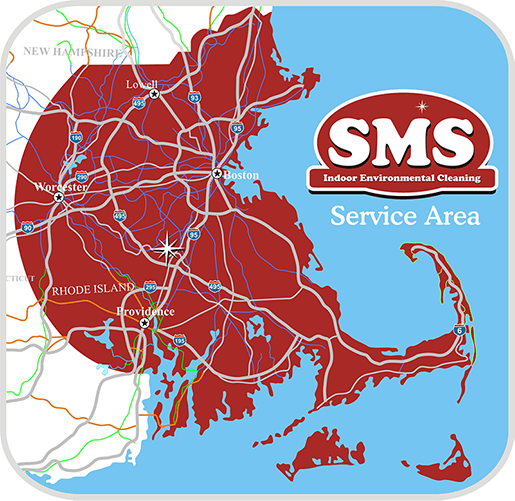
Selecting the right remediation contractor requires careful research, thorough credential verification, clear financial documentation, and insistence on independent clearance testing. Homeowners who prioritize industry certifications, proper insurance coverage, advanced equipment, and transparent pricing protect their properties from recurring moisture damage and health risks. Avoiding rushed decisions ensures that qualified professionals address environmental hazards safely and effectively, restoring safe indoor air quality to your living environment. Taking decisive, informed steps today preserves your home's structural integrity, safeguards family health, and provides lasting peace of mind. Invest time in evaluating local providers to secure high-quality, reliable environmental restoration for your residence. Do you need the assistance of an expert-level mold removal service in all of Eastern Massachusetts and Cape Cod? SMS Indoor Environmental Cleaning Inc is ready to assist! Call today to schedule an appointment.



Share On: