
What Your Mold Removal Company will Tell You about the Types of Molds in Your Home
We will explore the common mold varieties that can develop inside residential spaces and explain what trained professionals look for when evaluating contamination. Learning how different molds behave, where they tend to appear, and what conditions support their growth can help homeowners respond more effectively. A mold removal company can identify visible and hidden growth, explain the risks associated with each type, and recommend a plan that addresses both cleanup and moisture control. This knowledge is important for protecting indoor air quality, preserving building materials, and reducing the chance of recurring problems.
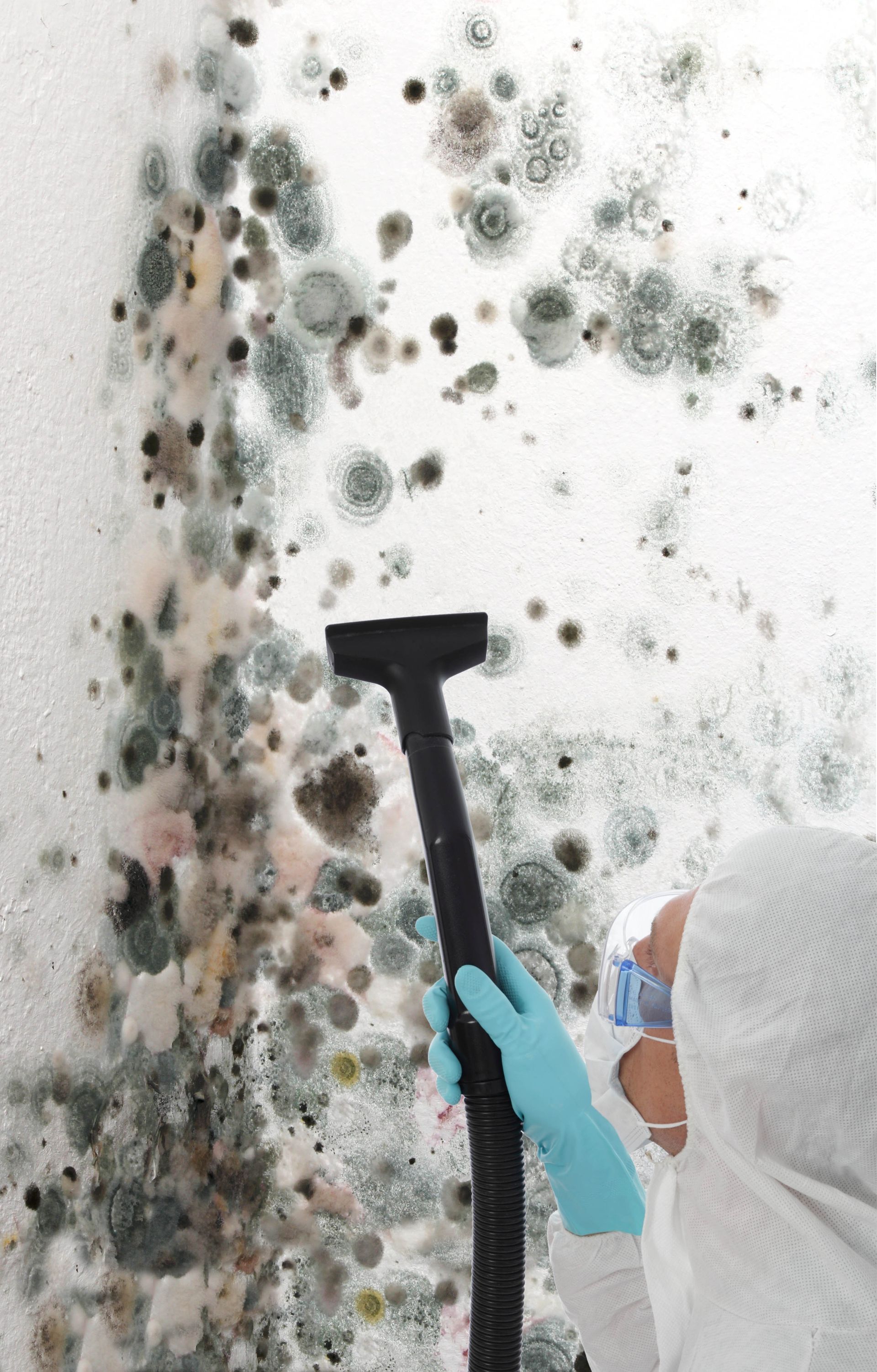
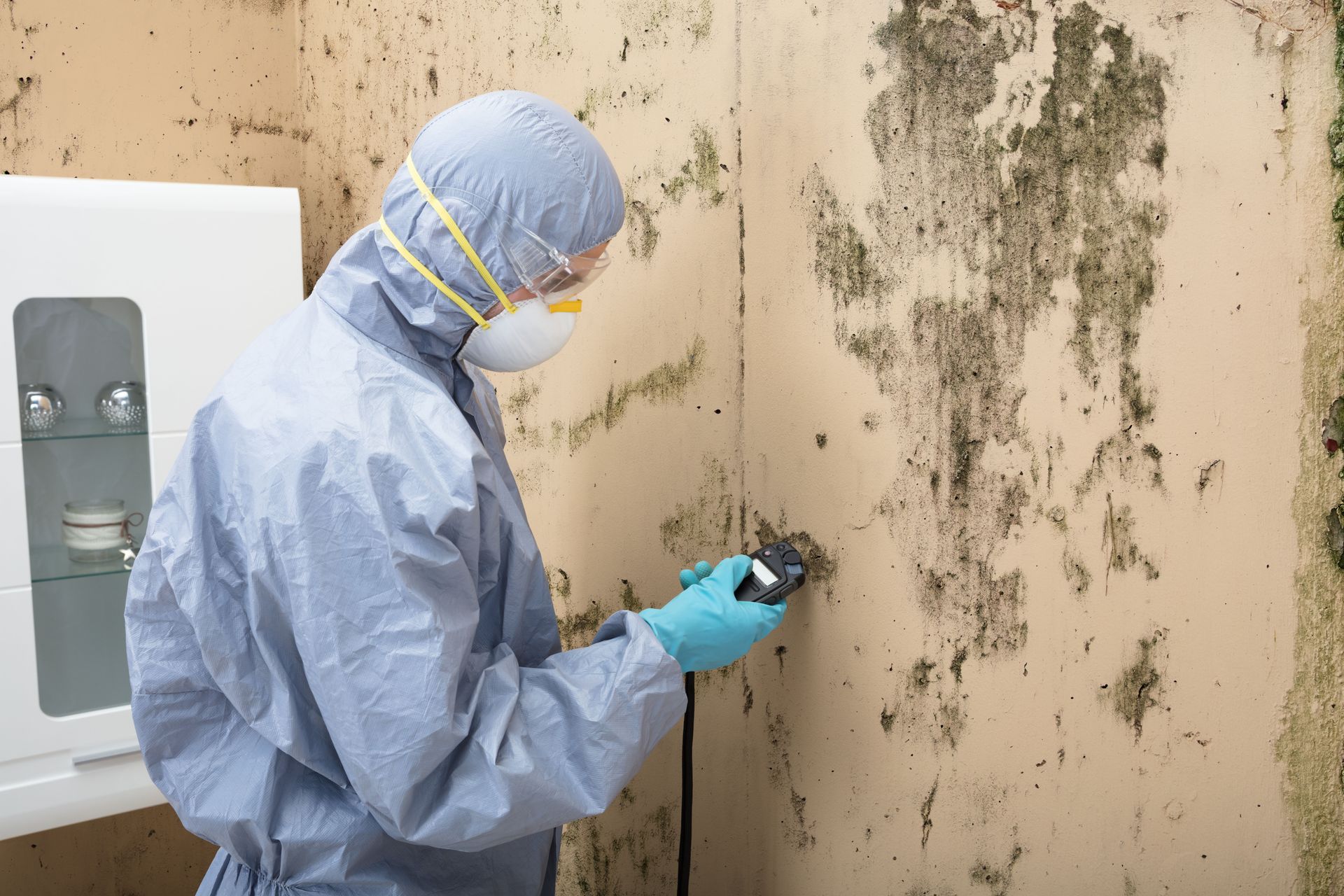
A mold removal company provides detailed assessments that go beyond surface-level observations. They can evaluate moisture sources, test affected areas, and create a strategy designed to stop mold at its origin rather than just addressing symptoms.
Mold Basics
Defining Mold and Its Role in Nature
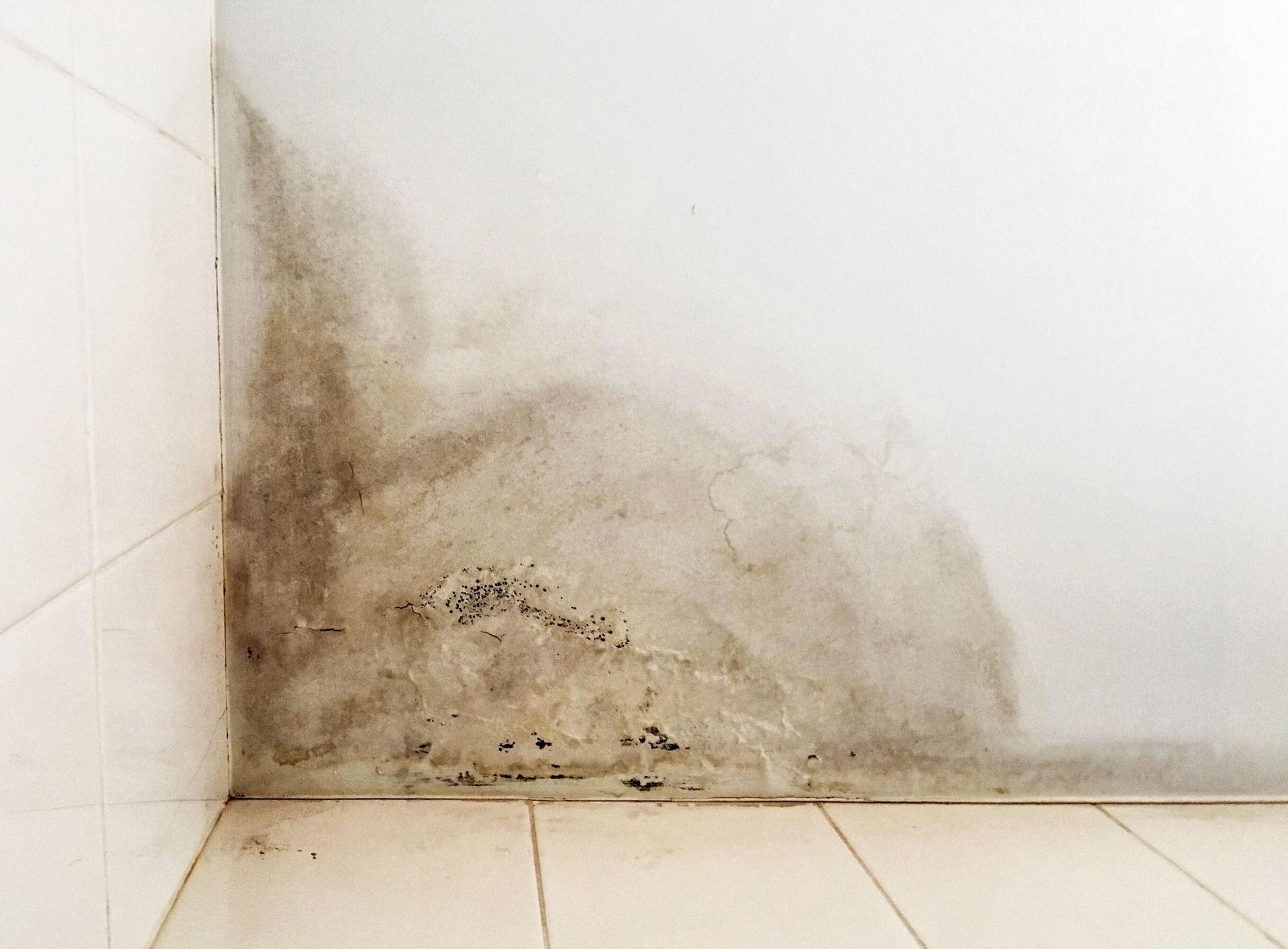
Mold is a naturally occurring fungus that helps break down organic matter in the environment. Outdoors, that process is beneficial, but indoors it can become a serious concern when spores settle on damp surfaces and begin to spread. Mold often develops in places where moisture remains trapped, including bathrooms, basements, kitchens, laundry rooms, and areas affected by leaks. It may grow on drywall, wood, insulation, carpeting, ceiling tiles, and other porous materials. Because spores are microscopic and travel easily through the air, a small moisture issue can quickly turn into a larger indoor contamination problem.
Indoor mold growth is often tied to humidity, condensation, roof leaks, plumbing failures, or poor ventilation. Even minor moisture problems can support fungal activity if they persist long enough. According to the National Center for Healthy Housing, more than 1,000 types of molds have been found in U.S. homes, which shows why proper identification matters. A mold removal company does more than clean visible patches because the real issue often involves hidden colonies and the source of the moisture that allowed them to develop. That broader perspective helps make remediation more effective.
Common Indoor Environments for Mold Growth
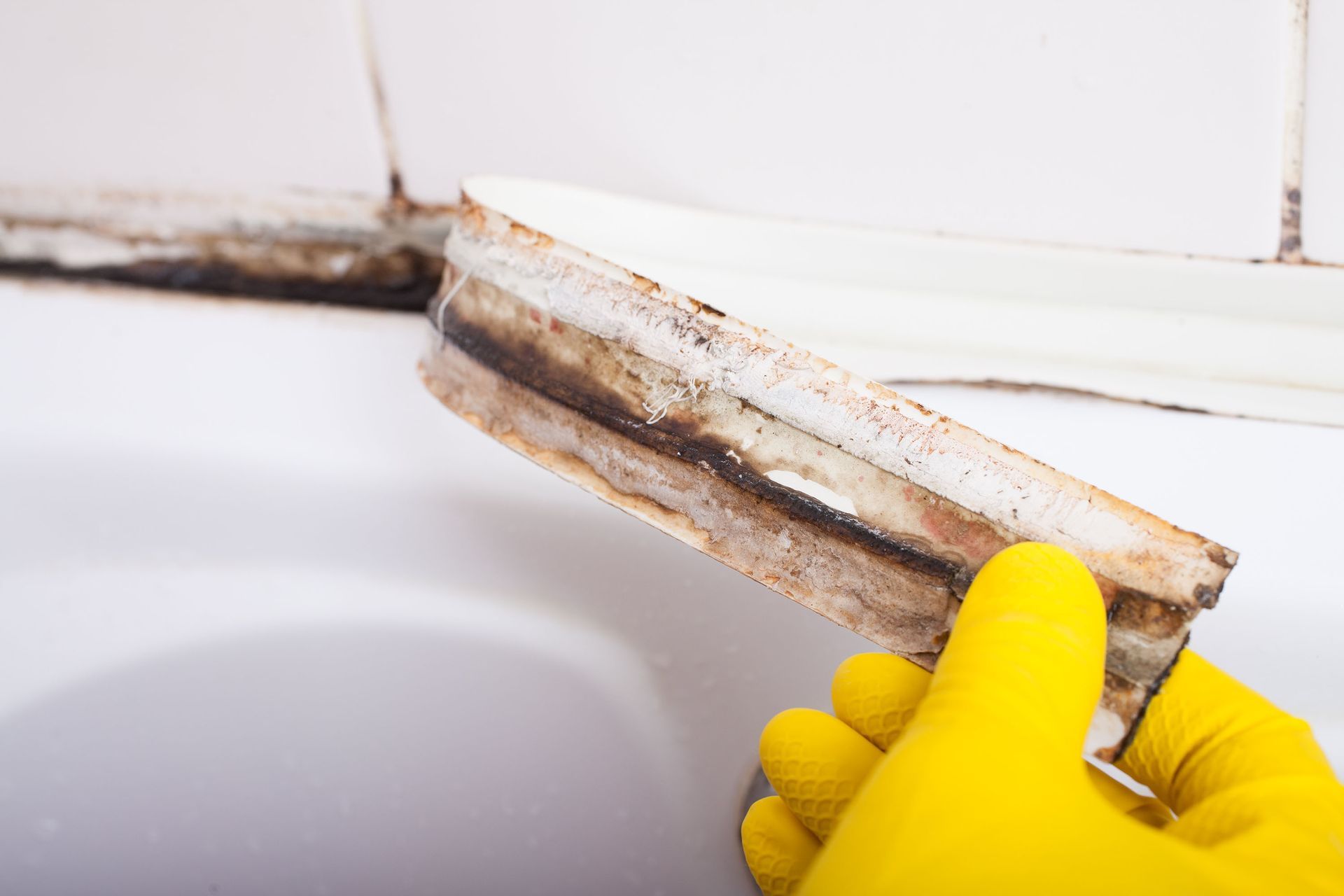
Mold thrives in places with damp air, limited airflow, and organic material it can use as a food source. Bathrooms with weak ventilation, basements with foundation seepage, and kitchens with repeated condensation are all common trouble spots. Areas behind cabinets, beneath flooring, inside wall cavities, and above ceiling panels can also support hidden growth. In many homes, a musty odor appears before mold is ever seen. That smell often signals that spores are active somewhere out of sight and should not be ignored.
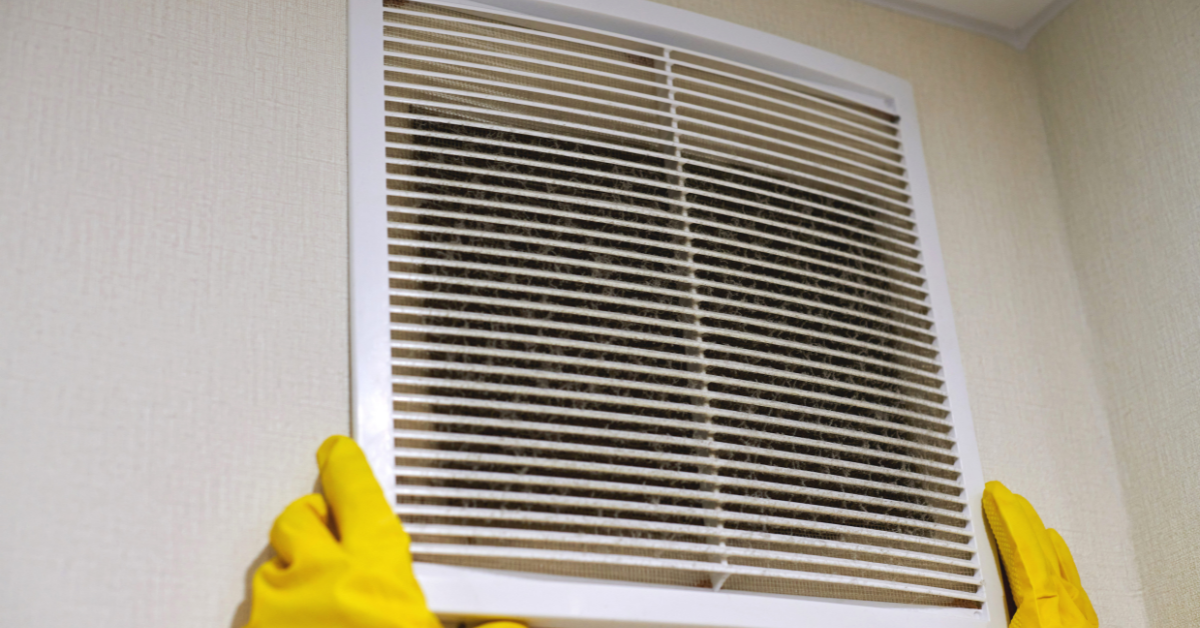
Water intrusion from storms, appliance failures, or plumbing leaks can accelerate growth dramatically. Construction dust, open windows, pets, shoes, and HVAC systems may also carry spores from one area to another. Once spores land on a damp surface, they can colonize quickly if conditions remain favorable. This is why prevention depends on moisture control, prompt repairs, and regular inspection of vulnerable spaces. A mold removal company can assist in identifying early warning signs and preventing widespread contamination.
The Potential Health Risks of Mold Exposure
Mold exposure can affect people differently depending on the species involved, the concentration of spores, and the individual’s health status. Some people experience mild irritation such as sneezing, coughing, congestion, watery eyes, or skin discomfort. Others, especially those with asthma, allergies, or weakened immune systems, may have stronger reactions. Long-term exposure in a damp indoor environment may also worsen respiratory symptoms and contribute to ongoing discomfort. Children, older adults, and medically vulnerable occupants often require added caution.
Health authorities, including the CDC, recommend addressing significant mold problems promptly rather than waiting for visible damage to spread. Not every mold produces toxins, but many can still irritate the respiratory system and reduce indoor comfort. A mold removal company can help determine whether the contamination is isolated or widespread and whether damaged materials should be cleaned, contained, or removed. That guidance is especially valuable when the growth affects living areas, HVAC systems, or rooms used by sensitive occupants.
Common Types of Indoor Molds
Stachybotrys Chartarum: The Infamous Black Mold
Stachybotrys chartarum, often called black mold, is one of the most recognized indoor mold types. It tends to grow on cellulose-rich materials such as drywall, paper-backed products, and other surfaces that have stayed wet for extended periods. Homeowners often associate it with serious water damage because it prefers long-term moisture rather than brief humidity spikes. Its dark color and slimy appearance can make it easier to identify than some other molds, but visual appearance alone is not enough to confirm the species with certainty.
Black mold receives significant attention because of its potential to produce mycotoxins under certain conditions. Whether or not toxins are present, any heavy contamination should be handled carefully because disturbing colonies can release additional spores into the air. Moisture correction, safe containment, and removal of damaged materials are often essential. A mold removal company is often recommended when contamination becomes extensive or affects structural materials.
Alternaria: The Outdoor Invader
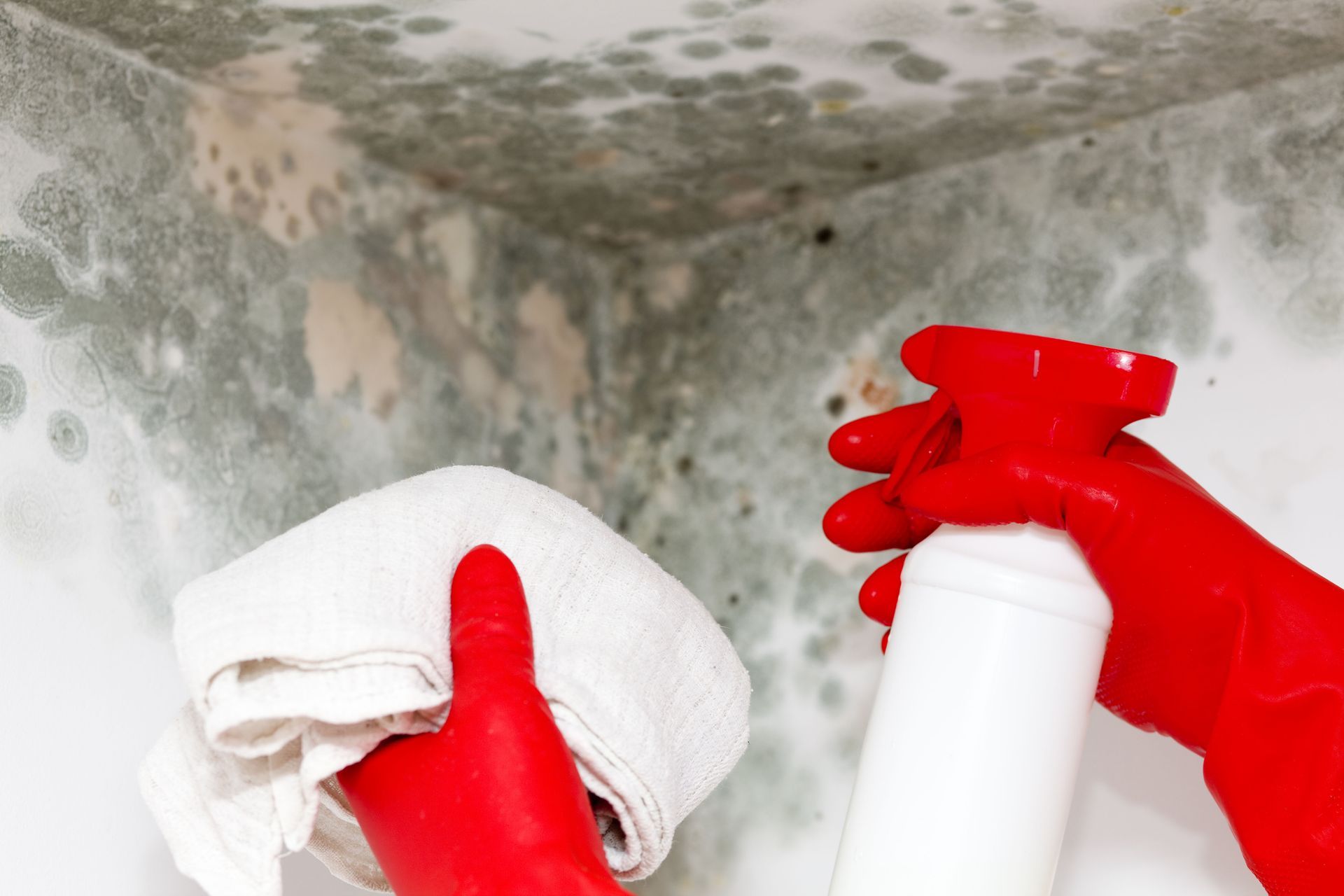
Alternaria is often found outdoors in soil and on plants, but it can move indoors and settle in damp areas such as showers, window frames, and areas under sinks. It is commonly associated with allergy symptoms and can spread easily when spores become airborne. Regular cleaning and better airflow can help reduce favorable conditions, but established growth still requires careful attention. Because this mold can collect in dust and fabrics as well as on hard surfaces, complete cleanup often involves more than wiping one visible patch.
This mold’s ability to thrive in both indoor and outdoor environments makes it particularly adaptable. Homeowners can reduce its presence by improving ventilation, maintaining dry surfaces, and addressing water leaks promptly. Preventive strategies combined with consistent cleaning can help keep Alternaria from becoming a persistent indoor problem.
Aspergillus: A Diverse Mold Genus
The genus Aspergillus includes many mold species that can appear in homes and commercial spaces. Some species are relatively harmless, while others can produce irritants or allergens that affect indoor air quality. Aspergillus commonly grows in dust, stored food, insulation, and certain building materials. Because it can grow across a wide range of temperatures and humidity levels, it often spreads quietly before being detected.
In certain circumstances, Aspergillus exposure may contribute to respiratory irritation or infections in individuals with weakened immune systems. Maintaining proper airflow, reducing dust buildup, and addressing moisture quickly can help minimize the risk of growth. A mold removal company can provide professional testing and remediation strategies when this type of contamination spreads.
Cladosporium: The Versatile Mold
Cladosporium is known for its ability to grow in both warm and cool conditions, making it one of the more adaptable indoor molds. It may appear on wooden surfaces, fabrics, carpets, or HVAC components where moisture is present. This mold often looks dark green or black and has a powdery texture. Although it is typically less dangerous than some other mold species, it can still trigger allergy symptoms and respiratory irritation.
Because Cladosporium can grow in rooms that appear relatively dry, it sometimes goes unnoticed until discoloration or musty odors develop. Routine cleaning, improved airflow, and moisture management are key strategies for reducing the likelihood of growth.
Homeowners should remain attentive to both visible changes and unusual odors. A persistent musty smell may indicate hidden mold behind walls or beneath flooring. Professional inspection can help determine the full extent of the contamination and guide appropriate remediation efforts. Contact our team at SMS Indoor Environmental Cleaning Inc today to get connected with our environmental services.




Share On: