How Mold Remediation Improves Indoor Air Quality
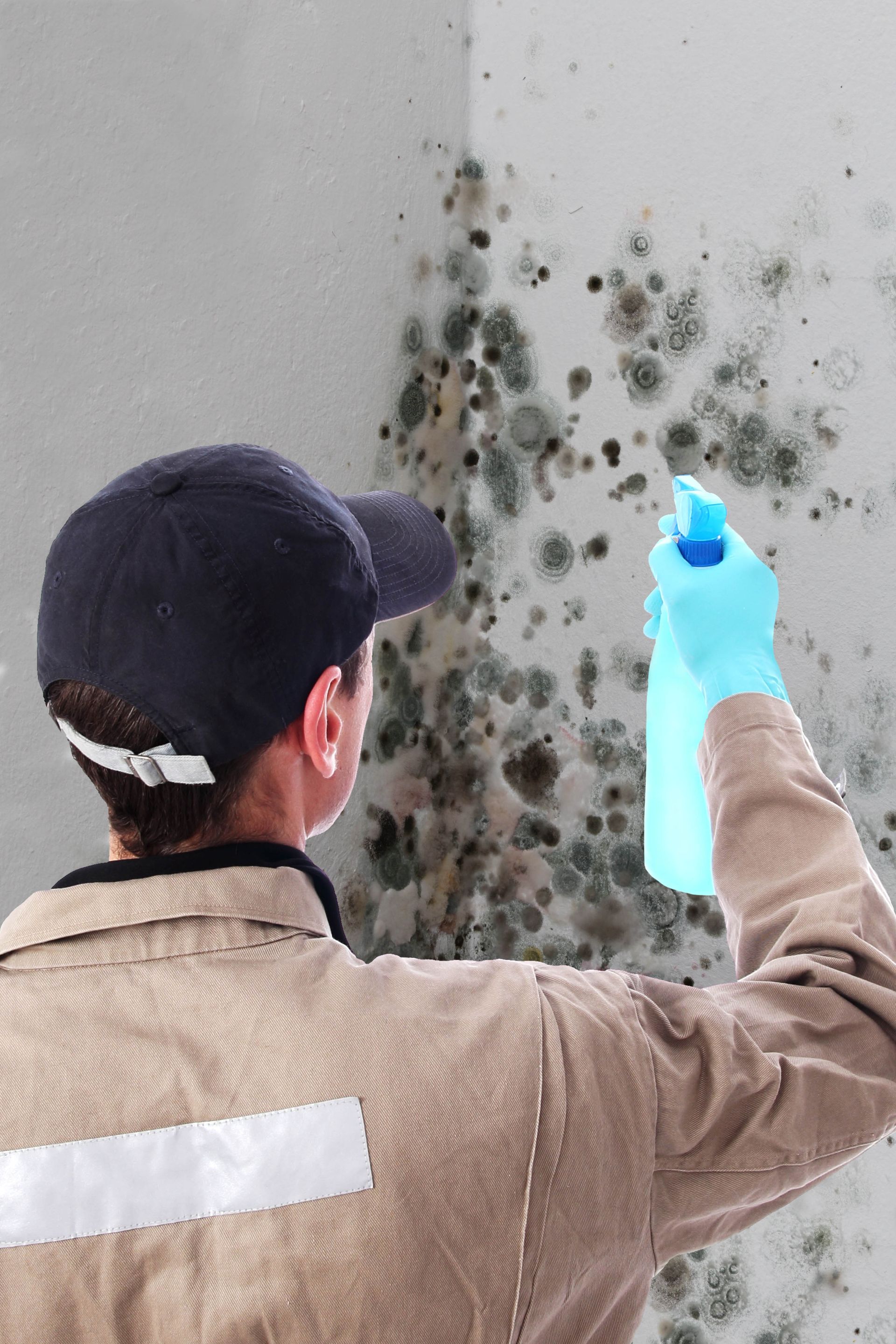
Mold represents a persistent problem within indoor environments, severely compromising the quality of the air we breathe. As pervasive as it is hazardous, fungal growth affects residential homes and commercial buildings, causing structural complications and health concerns. Understanding the value of professional intervention is key to maintaining a safe environment. Often lurking in damp corners or hidden behind walls, infestations quietly damage structures while undermining the well-being of occupants. Implementing timely mold remediation significantly improves indoor air quality, protecting health and enhancing overall comfort.
When indoor moisture accumulates without control, it creates an ideal environment for microscopic spores to flourish. Property owners often overlook initial signs of dampness, allowing minor issues to expand into extensive contamination that affects everyone inside. Managing these hidden environmental hazards requires a clear understanding of building ventilation and moisture control. Addressing these issues through systematic cleaning ensures that your living space remains fresh, clean, and free from respiratory triggers.
Analyze Mold and Indoor Air Quality
Mold is a fungus that thrives in moist environments, reproducing through tiny spores that float through the air. These spores exist everywhere, but they rapidly multiply indoors when finding moisture, warmth, and organic food sources. According to the EPA, individuals spend approximately 90% of their time indoors, making the control of these organisms a vital public health priority. When left unaddressed, the indoor accumulation of these spores leads to serious health issues and structural degradation.
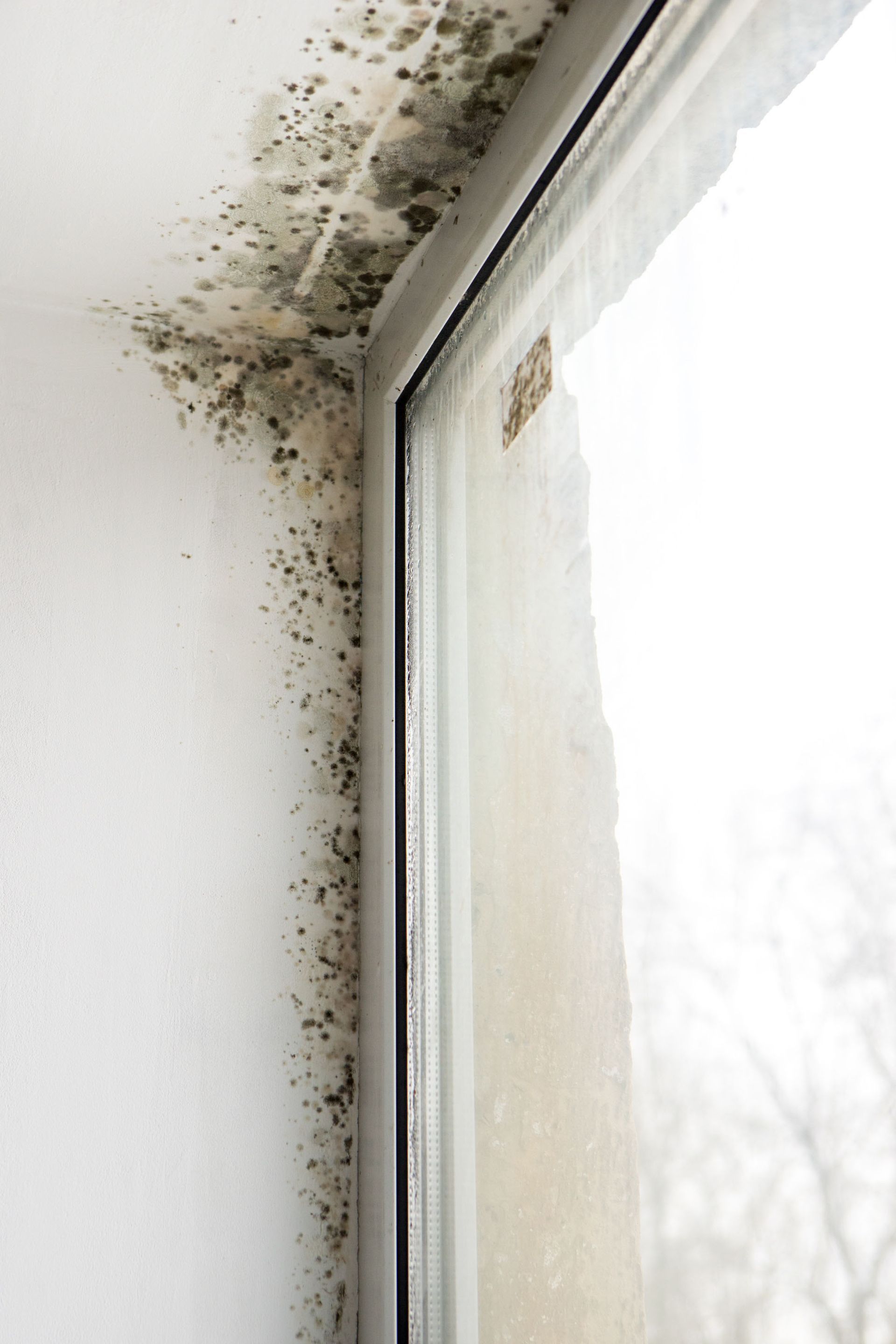
Fungal growth typically occurs in areas with poor ventilation and high humidity, such as bathrooms, basements, and kitchens. Moisture from plumbing leaks or condensation allows spores to settle onto building materials like wood, drywall, and carpeting. Exposure to these contaminated surfaces triggers allergic reactions, sneezing, watery eyes, and severe respiratory illnesses among occupants. Beyond physical symptoms, infestations create severe economic burdens due to property damage and increased medical expenses.
Study the Science of Mold Cleanup
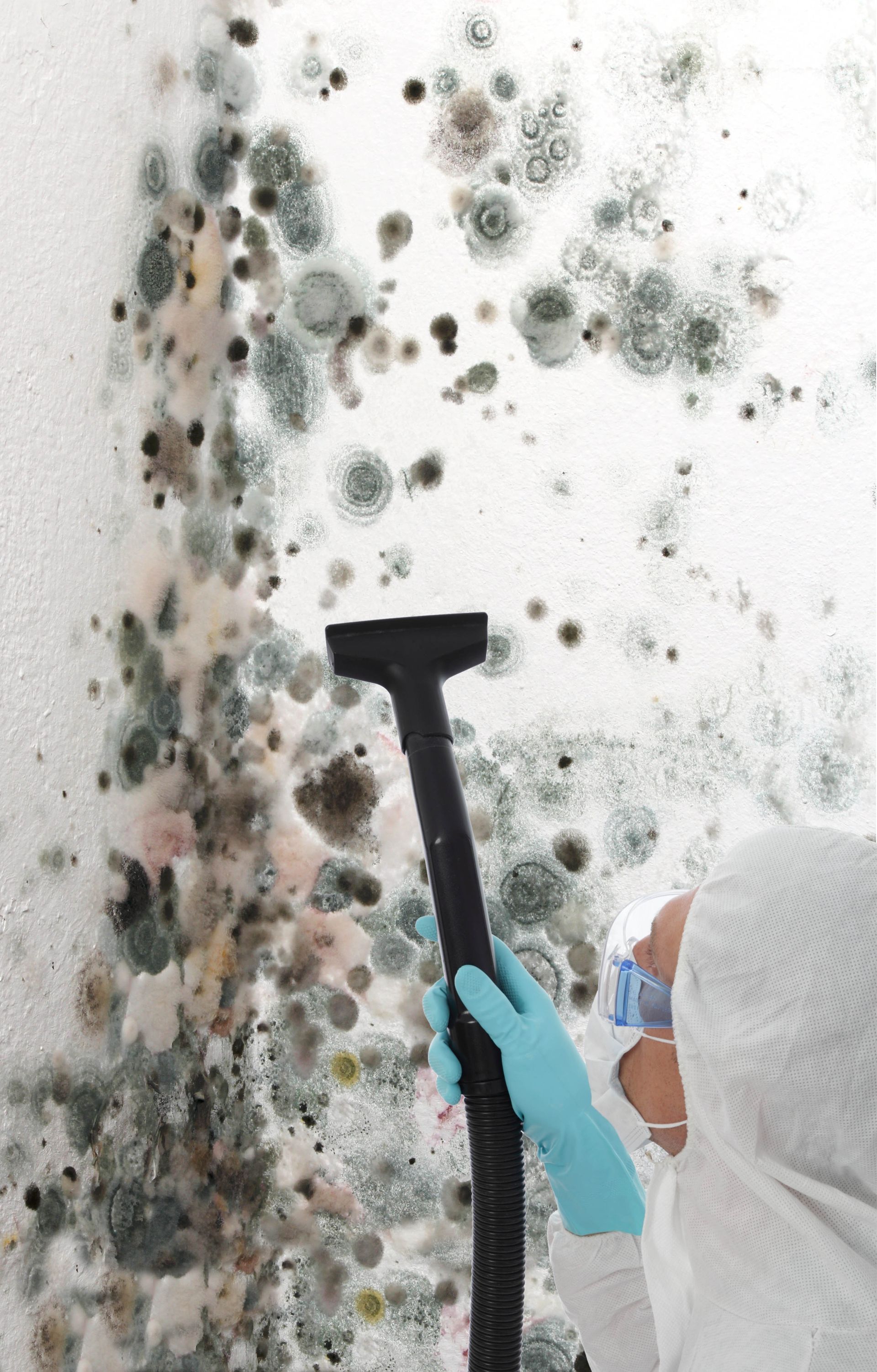
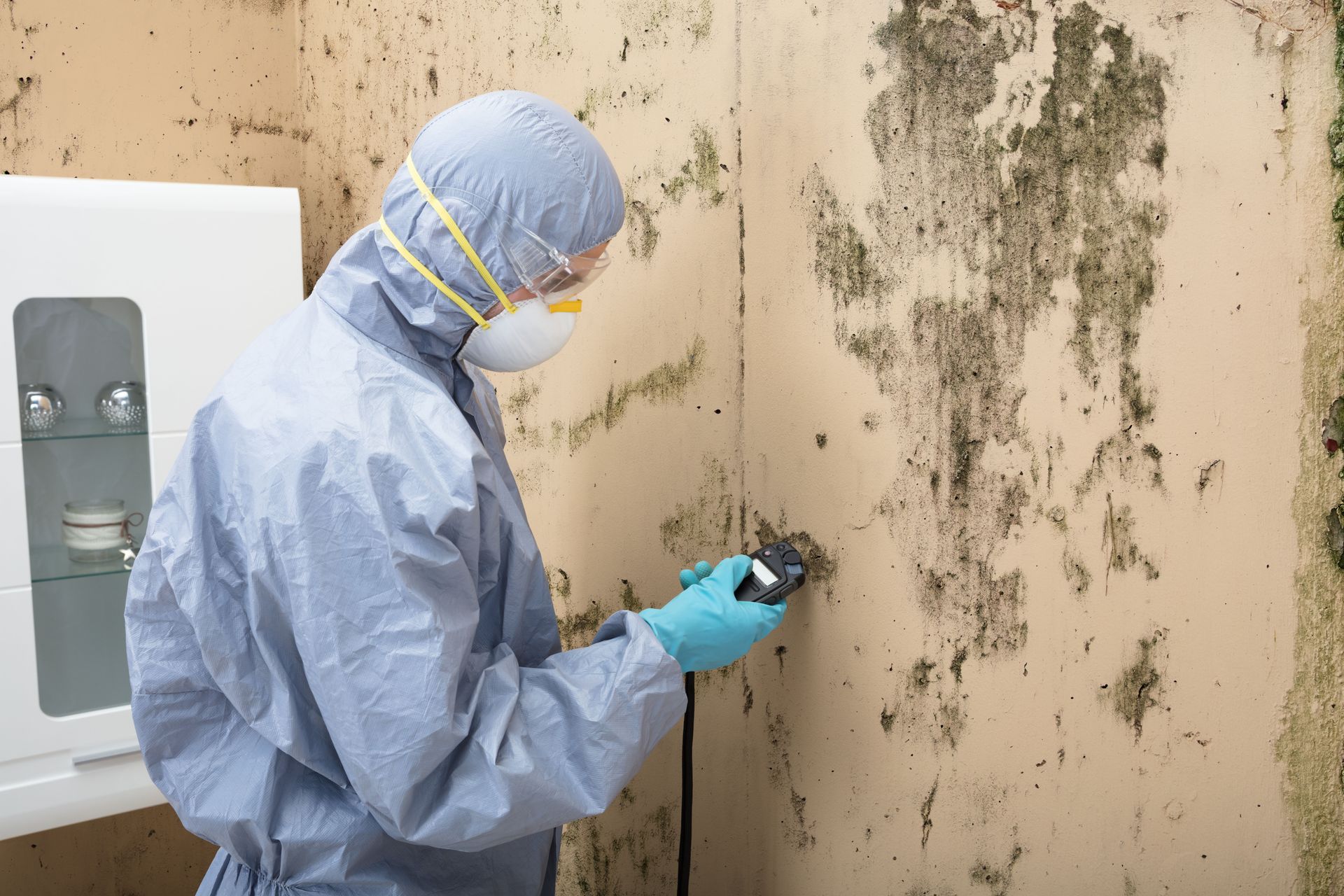
Executing a successful cleanup involves scientific methods designed to isolate contaminants and eliminate the moisture source. Technicians use advanced tools, including infrared cameras, to locate hidden dampness behind walls without causing structural damage. Air sampling techniques measure indoor spore concentrations to determine the severity of the contamination throughout the building. Utilizing professional mold remediation strategies ensures that the cleanup process thoroughly eliminates the underlying fungal network and prevents its return.
Property owners must evaluate the benefits of hiring certified professionals versus attempting risky do-it-yourself cleaning methods. While surface washing seems inexpensive, inadequate procedures leave hidden roots intact, causing recurring infestations that increase long-term costs. Safe cleanup practices utilize eco-friendly solutions that protect the environment without releasing harmful chemicals into the breathing zone. Proper disposal of damaged structural materials prevents the cross-contamination of adjacent, unaffected areas within the property.
Restore Clean Air Through Remediation
Comprehensive environmental cleaning plays a crucial role in enhancing atmospheric purity by removing harmful spores from the air. Clean air remains essential for the health, comfort, and productivity of individuals living and working inside. Removing these biological irritants alleviates chronic coughing, skin irritation, and severe asthma symptoms among sensitive occupants. Investing in mold remediation establishes a dependable foundation for clean air, directly benefiting human health and elevating daily comfort.
Real-world case studies demonstrate the significant air quality improvements that follow structured environmental cleanup efforts. Families living in previously contaminated homes report fewer respiratory incidents, while offices experience a notable increase in employee wellness. Comparative air testing before and after cleanup confirms a dramatic reduction in airborne spores and other common irritants. Better moisture management also optimizes HVAC performance, improving energy efficiency and reducing monthly utility costs over time.
Confront Challenges in the Remediation Process
Locating fungal growth inside hidden or hard-to-reach areas poses a major challenge for property restoration efforts. Organisms frequently thrive inside wall cavities, beneath carpets, or within HVAC ductwork, remaining unnoticed until widespread damage occurs. Special diagnostic tools like borescopes provide essential assistance, but current detection technologies have limitations that can affect accuracy. Some devices give false readings or fail to identify less common strains, requiring technicians to combine multiple inspection methods.
Many unsuccessful cleanup projects suffer from common oversights, such as inadequate containment or neglecting the original moisture source. Poor ventilation during cleanup allows loose spores to escape into unaffected rooms, spreading the contamination further. Navigating regional regulatory standards and safety compliance guidelines presents another obstacle for property managers. Financial constraints often tempt people to delay professional intervention, but incomplete mold remediation leads to higher long-term repair costs when problems return.
Prevent Future Growth With Smart Tactics
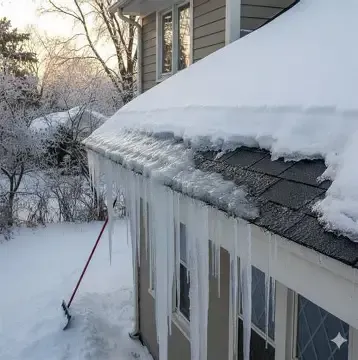
Sustaining a healthy interior environment requires a combination of proactive maintenance and smart building design choices. Property owners should inspect roofs, seal window frames, and repair plumbing leaks immediately to prevent moisture accumulation. Modern architectural designs prevent fungal growth by optimizing airflow pathways and integrating advanced moisture barriers into the structure. Utilizing building materials treated with antimicrobial properties prevents organisms from using organic surfaces as a viable food source.
Maintaining effective ventilation and humidity control remains central to preventing fungal development in moisture-prone spaces. Operating exhaust fans in kitchens and bathrooms helps disperse damp air, keeping indoor humidity within safe thresholds. Educating communities about environmental risks empowers individuals to take preventative action before minor leaks become severe hazards. Future trends highlight smart sensors that track air quality, ensuring that professional mold remediation protocols remain highly efficient and sustainable.
Protect Properties Using Expert Advice
Identifying early signs of an infestation can protect a building from severe structural damage and expensive restoration. Occupants should look for musty odors, unusual wall stains, peeling wallpaper, and sudden increases in respiratory allergies. Choosing the right cleanup service requires verifying industry certifications, checking client reviews, and demanding transparent project estimates. This thorough verification process prevents property owners from hiring unqualified contractors who might worsen the contamination. Experienced professionals provide comprehensive site assessments and clear explanations of their safety procedures, ensuring a successful and reliable outcome.
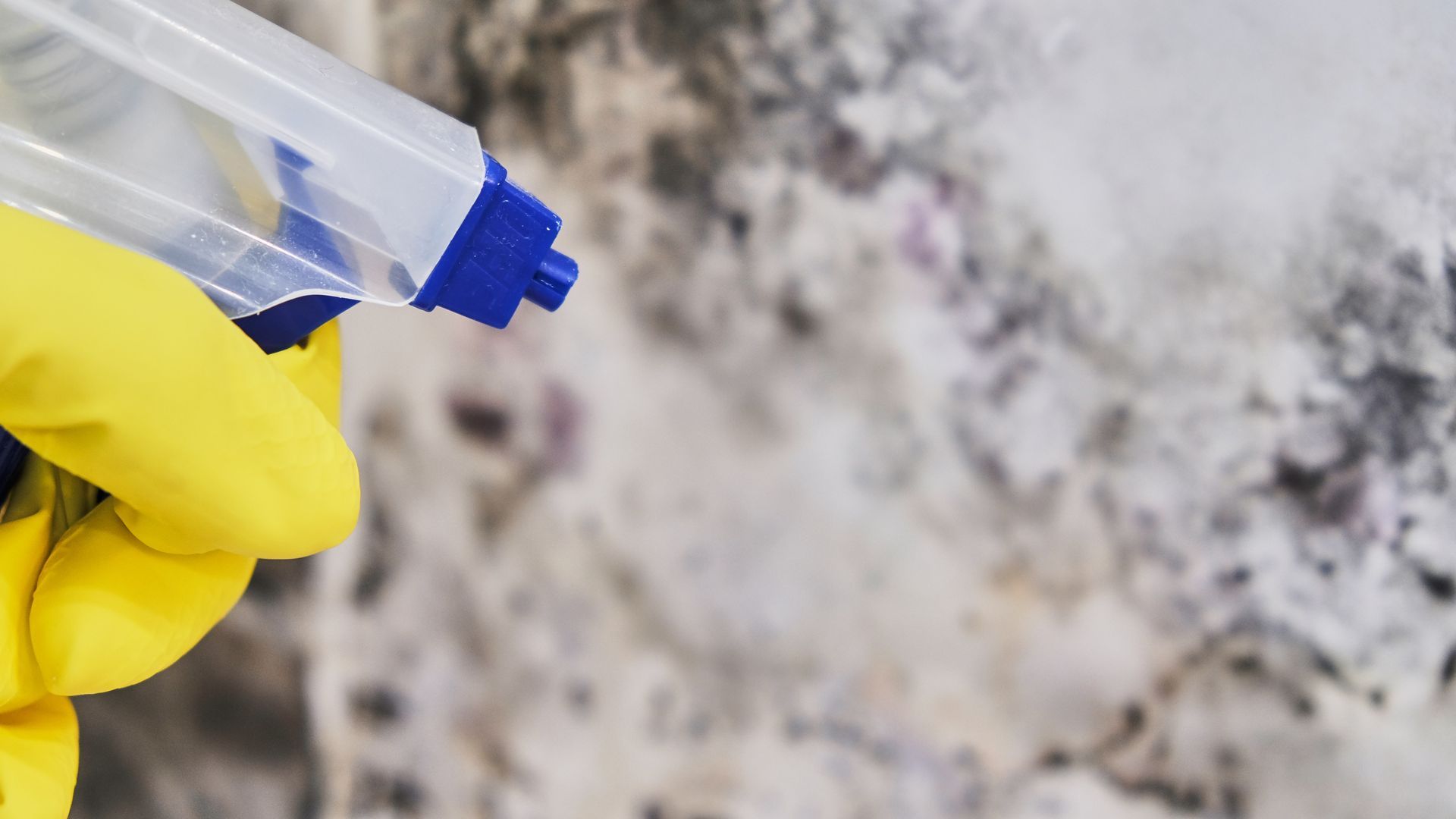
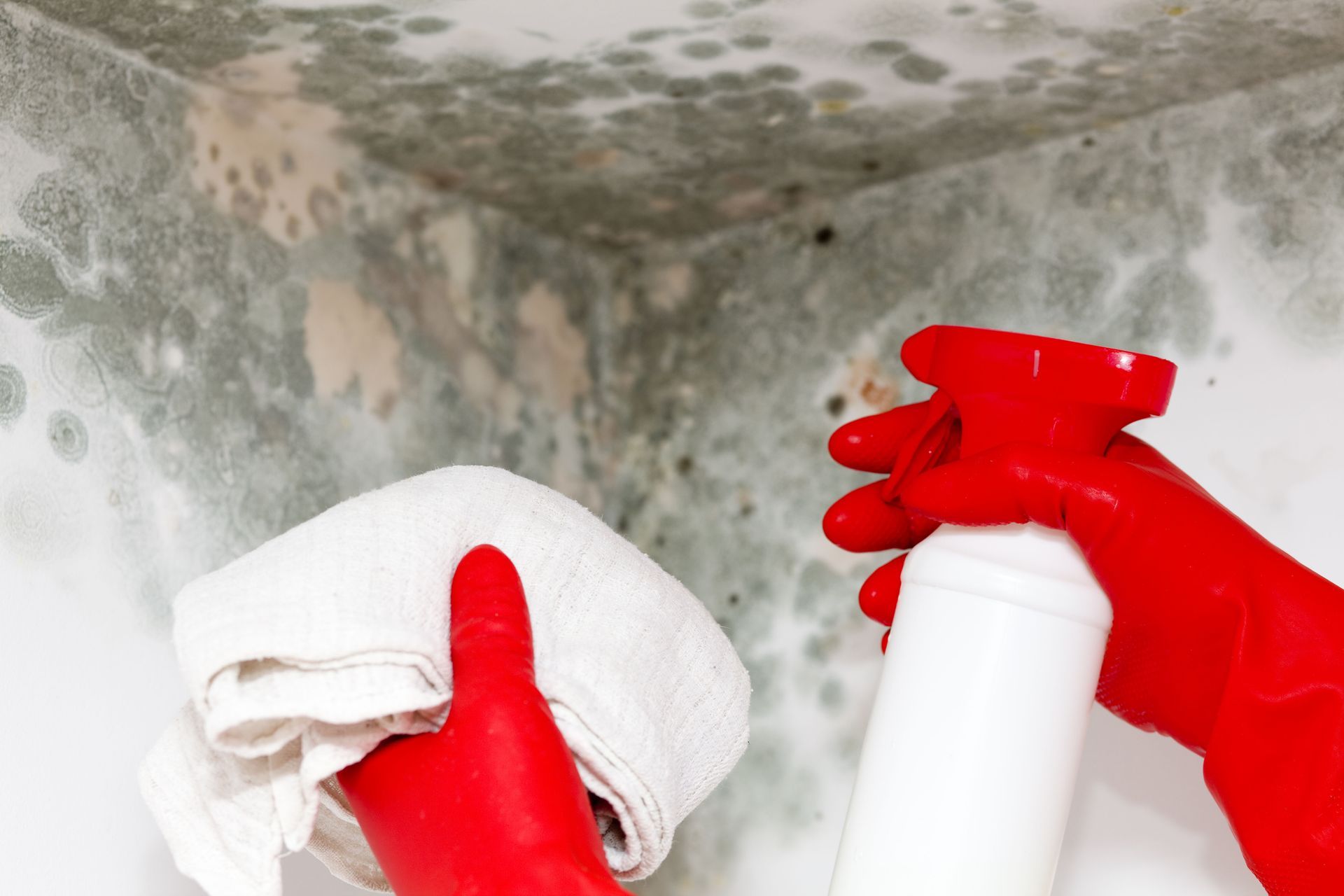
Minor surface issues on non-porous materials can be addressed using basic household solutions like white vinegar. It is vital to use protective gear and maintain proper ventilation to avoid inhaling loose spores to ensure safety during cleanup. Developing a comprehensive maintenance plan after a mold remediation project involves scheduling regular plumbing check-ups and replacing HVAC filters according to manufacturer guidelines. Utilizing smart applications and air monitors helps track humidity changes, enabling proactive management that keeps indoor air clean.
This comprehensive exploration emphasizes the critical role that environmental cleanup plays in protecting human health and enhancing air purity. Removing biological contaminants from the atmosphere directly reduces allergic reactions, improves respiratory wellness, and supports overall well-being. Addressing underlying moisture sources allows property owners to cultivate safer, more comfortable spaces for families and employees. Prioritizing ongoing awareness and preventative maintenance ensures that your property remains safe from recurring environmental dangers. Committing to a comprehensive strategy of mold remediation protects your indoor environment and elevates your quality of life.
Maintaining healthy living conditions requires constant vigilance, proper moisture regulation, and the right professional support. Protecting families and workers from hidden biological hazards should always remain a top priority for responsible property managers. When dealing with persistent dampness or suspected contamination, relying on experienced specialists guarantees peace of mind and lasting safety. Contact us at SMS Indoor Environmental Cleaning Inc today to secure a healthier and cleaner indoor environment for your property.



Share On: