
The Various Illnesses Related to Mold
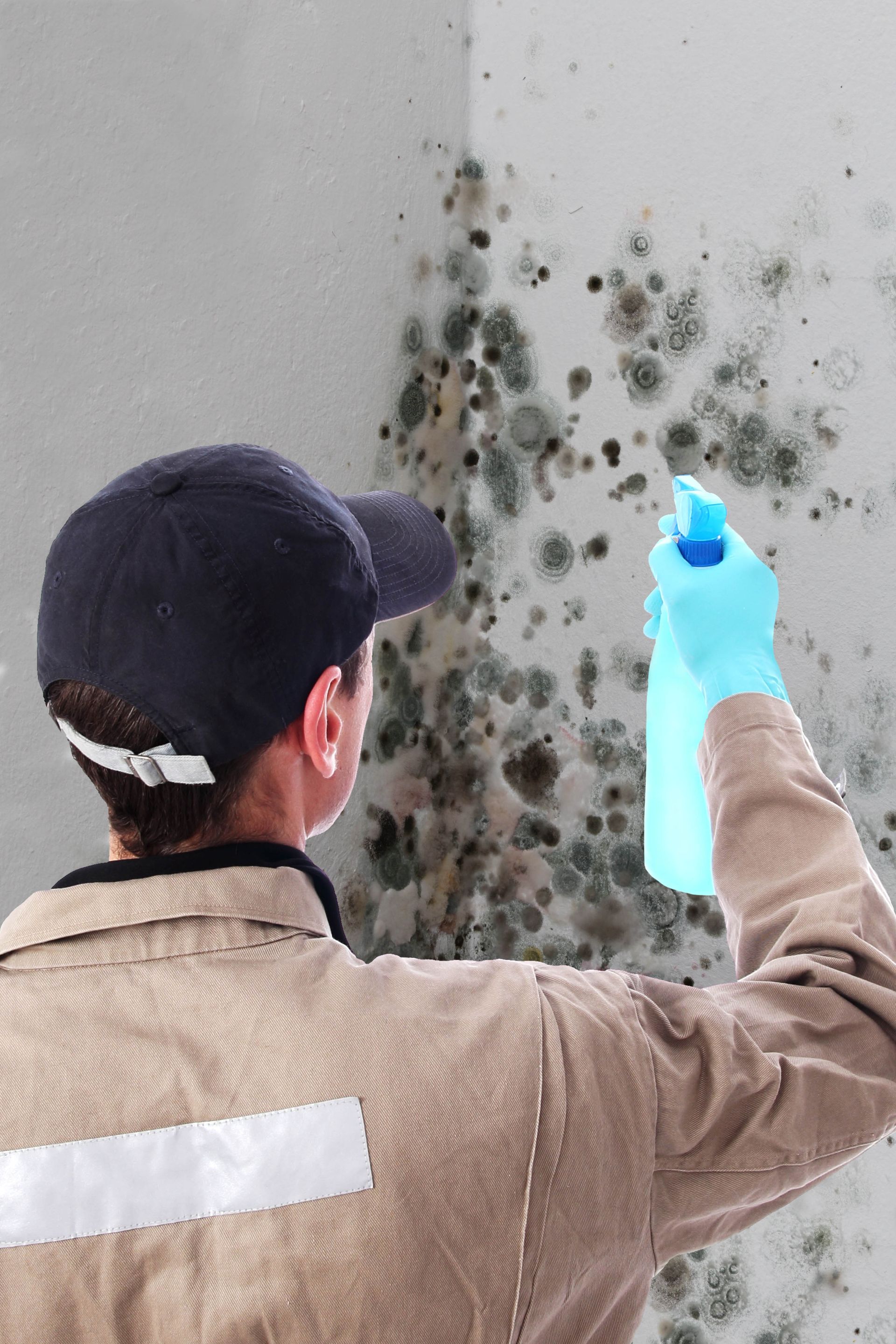
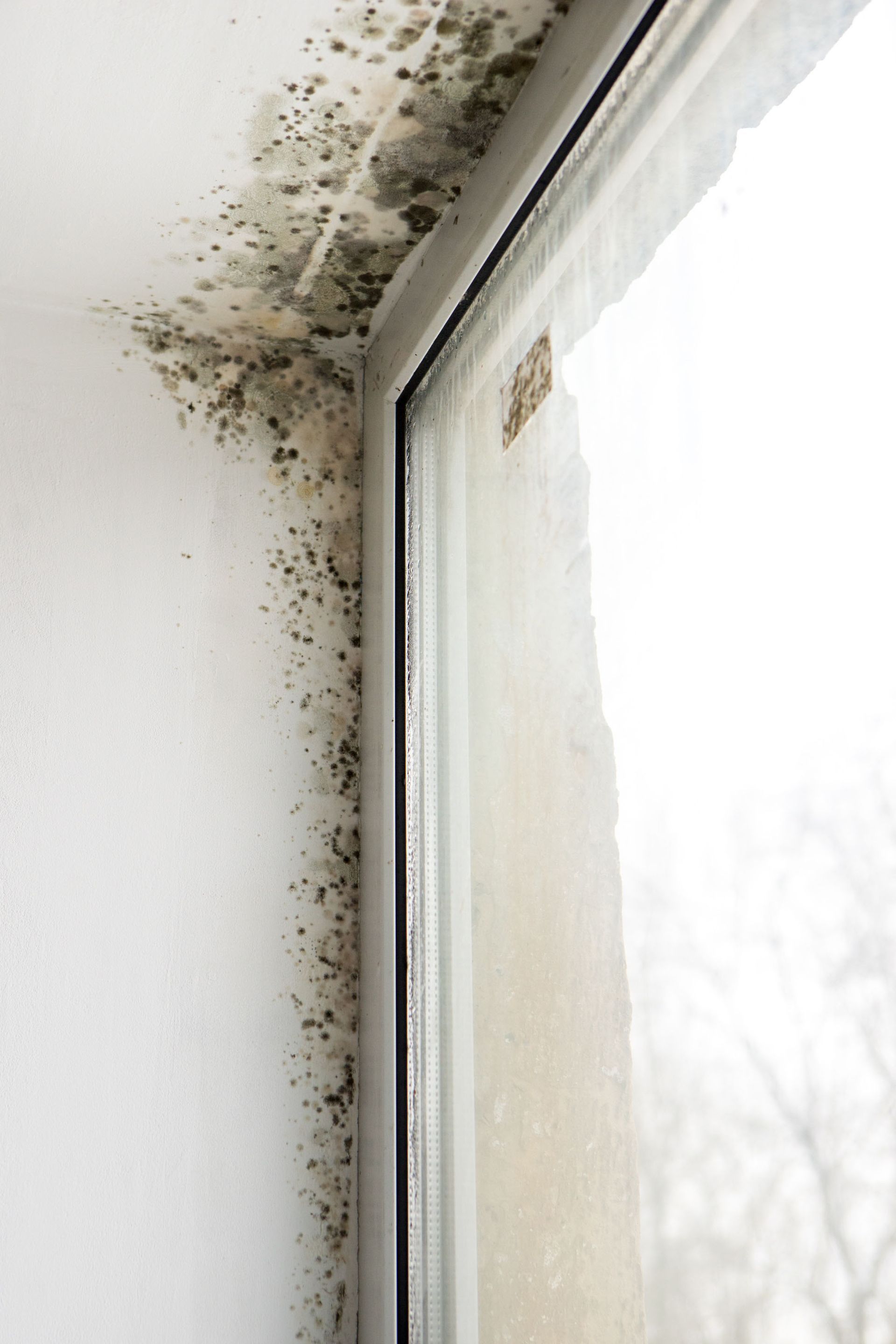
Mold is far more than an unsightly stain in the corner of a damp basement or a fuzzy patch on a piece of forgotten bread. It is a biological agent that thrives in damp, warm, and humid environments, often hitching a ride into our homes through open windows, vents, or even on our clothing. Commonly found in high-moisture areas like bathrooms, crawlspaces, and buildings with historical water damage, mold poses serious health risks that are frequently underestimated.
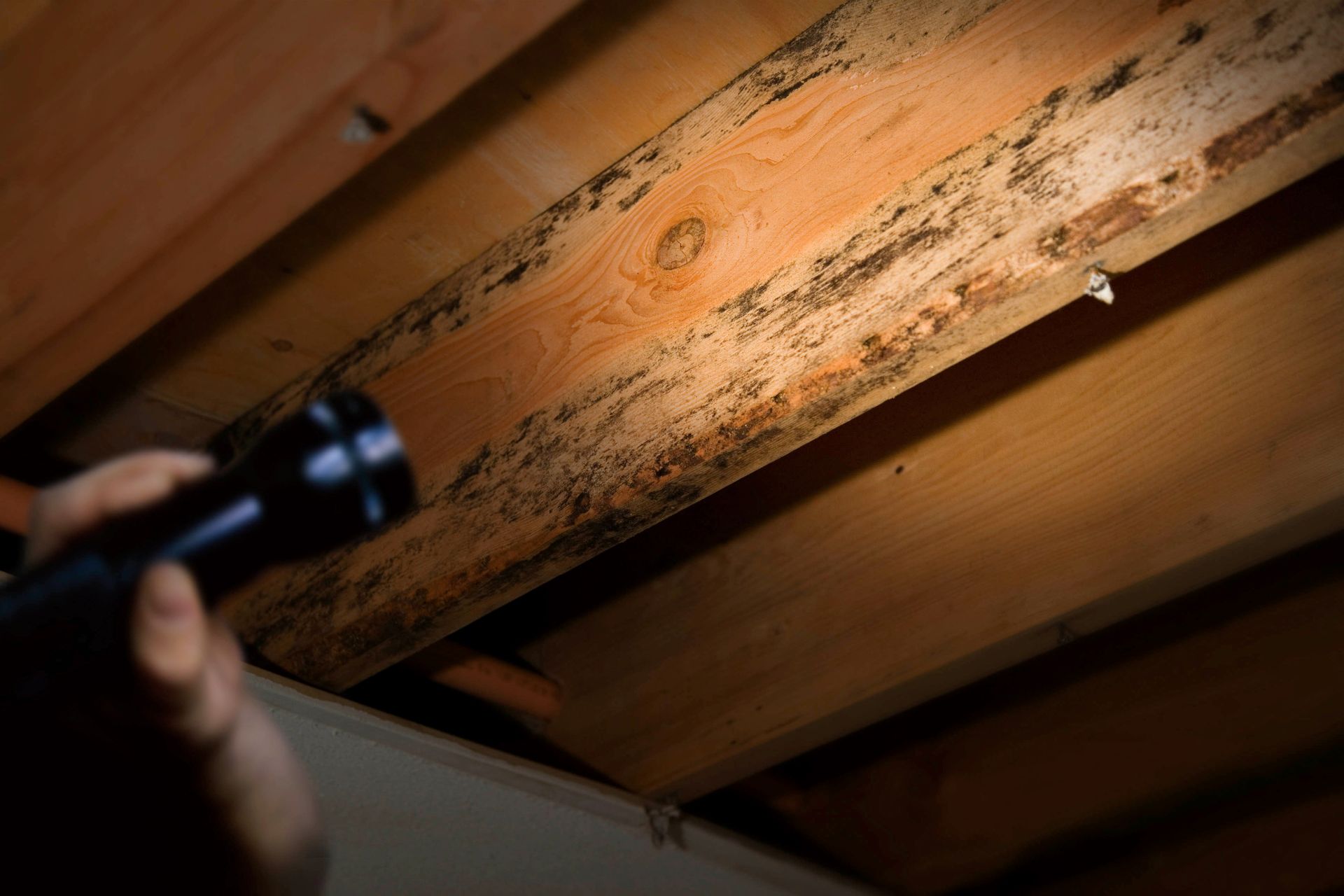
The microscopic spores released by mold become airborne and are easily inhaled, leading to a complex spectrum of illnesses. These health risks are particularly concerning because mold is often invisible, lurking behind drywall or under floorboards, remaining unnoticed until physical symptoms appear. Understanding these risks is crucial for maintaining a healthy home. If you suspect an infestation, seeking local mold removal is the first step toward reclaiming your health.
Understanding Mold Allergies and Genetic Predisposition
Definition and Causes
Mold allergies occur when an individual’s immune system overreacts to mold spores, treating them as harmful invaders. When sensitive individuals inhale these spores, the body’s natural defense mechanism incites an inflammatory response. Common culprits include genera such as Cladosporium, Penicillium, Alternaria, and Aspergillus.
While many people can tolerate moderate spore counts, others are biologically "primed" for a negative reaction. According to RealTimeLab.com, up to 25% of the population has a genetic predisposition that makes them more susceptible to mold illness. For these individuals, even minor exposure can lead to systemic issues that require professional local mold removal to resolve.
Common Symptoms and Diagnosis
Symptoms of mold allergies can range from mild to severe, often mimicking seasonal hay fever. Typical signs include:
- Frequent sneezing and a runny or stuffy nose.
- Persistent coughing and post-nasal drip.
- Itchy, watery eyes and throat irritation.
Diagnosing these allergies typically involves a review of medical history followed by skin prick tests or blood tests (IgE) to confirm specific mold sensitivities. Early diagnosis is essential for tailoring a treatment plan and preventing the escalation of symptoms into chronic respiratory conditions.
Respiratory Illnesses Linked to Mold
Asthma and Mold
Asthma is perhaps the most well-known respiratory condition exacerbated by environmental factors. For asthmatics, mold spores act as a potent trigger for severe attacks, causing the airways to tighten and fill with mucus. This results in wheezing, shortness of breath, and chest tightness. Studies have shown a direct correlation between high indoor spore counts and the frequency of emergency room visits for asthma flare-ups.
Chronic Obstructive Pulmonary Disease (COPD)
For those living with COPD—including emphysema and chronic bronchitis—mold exposure is particularly dangerous. These individuals already suffer from compromised airflow, and inhaling mold spores can lead to increased respiratory infections. These infections further damage lung tissue, significantly reducing the patient's quality of life. In such cases, securing local mold removal services is not just a home maintenance task; it is a medical necessity.
Respiratory Infections
Even in otherwise healthy individuals, mold can lead to acute infections like bronchitis and sinusitis. The spores irritate the mucosal lining of the respiratory tract, creating a breeding ground for bacteria and fungi. Those with weakened immune systems must be hyper-vigilant, as these infections can quickly turn into pneumonia if the environmental source of the mold is not remediated.
Skin Conditions and Dermatological Reactions
Mold exposure isn't just about what we breathe; it's also about what touches our skin. Dermatological reactions are a frequent yet overlooked sign of a mold problem in the home.
- Rashes and Irritation: Mold-induced rashes often present as itchy, inflamed patches that look similar to eczema. Direct contact with moldy surfaces or high concentrations of airborne spores can cause these "contact" reactions.
- Hives and Redness: Some individuals experience hives (urticaria) as a systemic allergic response to mold toxins.
- Long-term Effects: Chronic exposure can lead to lasting skin sensitivity. If a rash clears up when you leave home but returns when you go back, it is a strong indicator that you need to look for local mold removal specialists to inspect your property.
Mold and Neurological Problems: The Hidden Impact
One of the most frightening aspects of mold exposure is its ability to affect the brain. Mold produces volatile organic compounds (VOCs) and mycotoxins that can cross the blood-brain barrier, leading to a variety of neurological issues.
Memory Loss and Cognitive Impairment
Commonly referred to as "brain fog," cognitive impairment due to mold exposure manifests as difficulty concentrating, memory lapses, and "word-finding" struggles. The neurotoxic effects of certain molds, like Stachybotrys chartarum (black mold), can interfere with executive function, making daily tasks feel overwhelming.
Balance, Coordination, and Mood
Neurological disruptions can also affect physical stability, leading to dizziness, vertigo, and impaired coordination. Furthermore, the impact on brain chemistry has been linked to mood disorders. The stress of chronic illness, combined with the physiological effects of mycotoxins, can contribute to:
- Increased anxiety and panic attacks.
- Depression and emotional volatility.
- Insomnia and disrupted sleep patterns.
Addressing these symptoms requires a dual approach: medical treatment for the individual and local mold removal for the environment.
Mold-Related Chronic Fatigue
Chronic Fatigue Syndrome (CFS) is a complex disorder characterized by extreme fatigue that doesn't improve with rest. Emerging research suggests that mold exposure is a major environmental trigger for CFS, particularly in the 25% of the population with the aforementioned genetic predisposition.
The body becomes stuck in a state of constant inflammation, exhausting the endocrine and immune systems. Symptoms include unrefreshing sleep, joint pain, and "crashing" after minor physical or mental exertion. Recovery from mold-induced fatigue often requires a total "environmental detox," meaning the patient must be removed from the moldy environment or the environment must be professionally cleaned.
Less Common but Serious Mold-Related Illnesses
Hypersensitivity Pneumonitis (HP)
HP is an immune system disorder where the lungs become inflamed as an allergic reaction to inhaled dust and mold. Unlike simple allergies, HP affects the deeper lung tissues (alveoli). If left untreated, it can lead to irreversible lung scarring (fibrosis).
Mold-Related Sinusitis
While many people get occasional sinus infections, mold can cause chronic rhinosinusitis. In some cases, a "fungal ball" can actually grow within the sinus cavities, requiring surgical intervention and immediate local mold removal to prevent recurrence.
Immune System Vulnerabilities
Persistent exposure keeps the immune system in a state of high alert. Over time, this can contribute to the development of autoimmune diseases, where the body begins to attack its own tissues. Managing these complex cases always starts with identifying and eliminating the source of the mold.
Mold-related illnesses represent a diverse and significant threat to public health. From common allergies and asthma to severe neurological impairment and chronic fatigue, the impact of mold is profound. Awareness is the first step toward protection. By understanding the symptoms and recognizing the environmental triggers, you can take the necessary steps to safeguard your family.
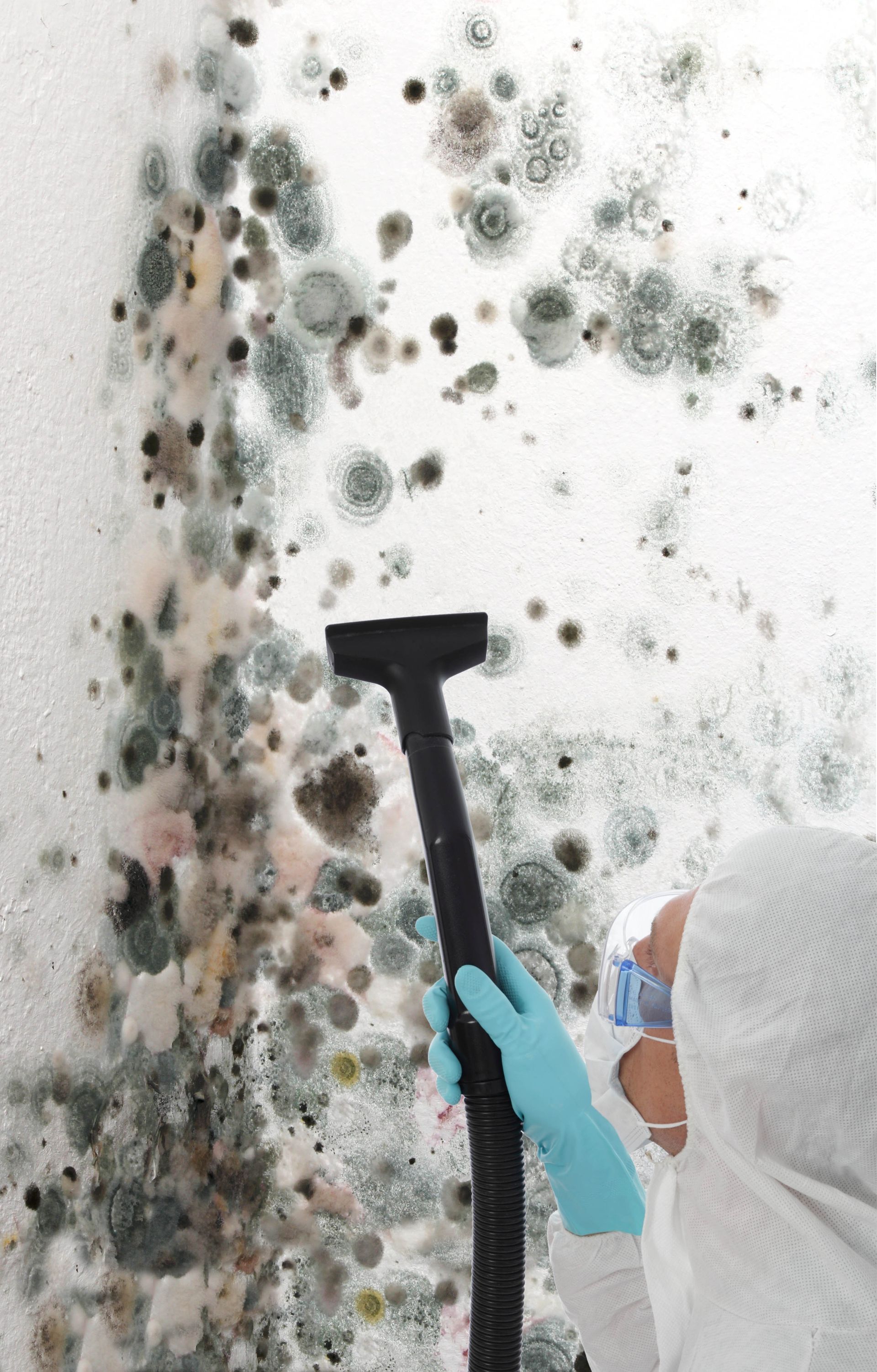
If you have discovered mold in your home or are experiencing unexplained health issues that align with those discussed above, do not wait for the problem to worsen. Professional intervention is the only way to ensure your indoor air quality is restored to safe levels. For comprehensive testing and remediation services, contact the experts at SMS Indoor Environmental Cleaning Inc. today. Taking action now with local mold removal can prevent years of chronic health struggles and ensure your home remains a sanctuary, not a source of illness.



Share On: