
How a Mold Remediation Service Preserves Wooden Structures
Understanding the impact of mold on wooden structures and the crucial role of professional mold remediation services in preserving these foundational elements of a building. Wooden structures are not only aesthetically pleasing but also functional, providing stability and warmth in homes. However, when mold, a common household problem, comes into play, it can compromise the integrity of wood, leading to severe consequences.
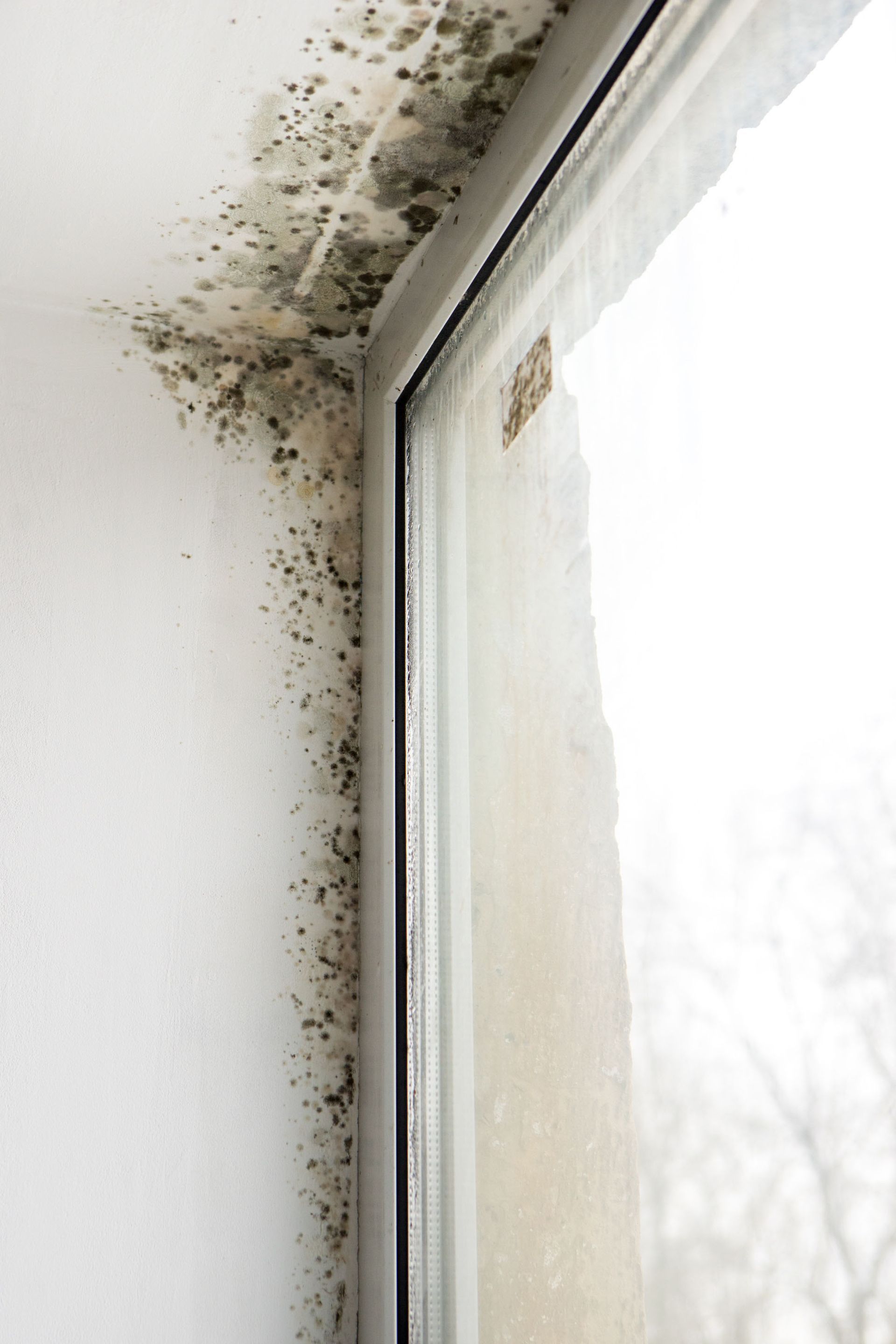
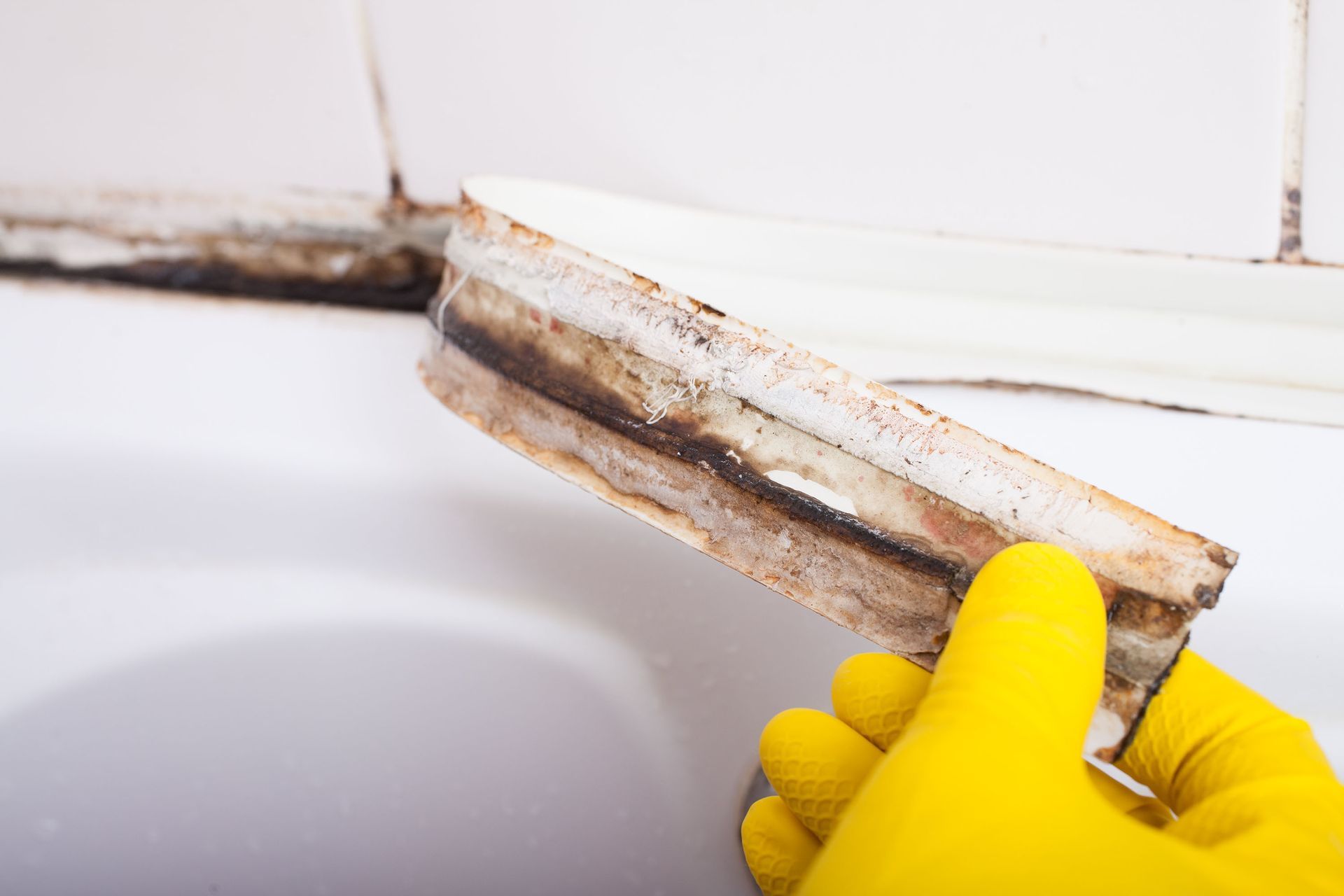
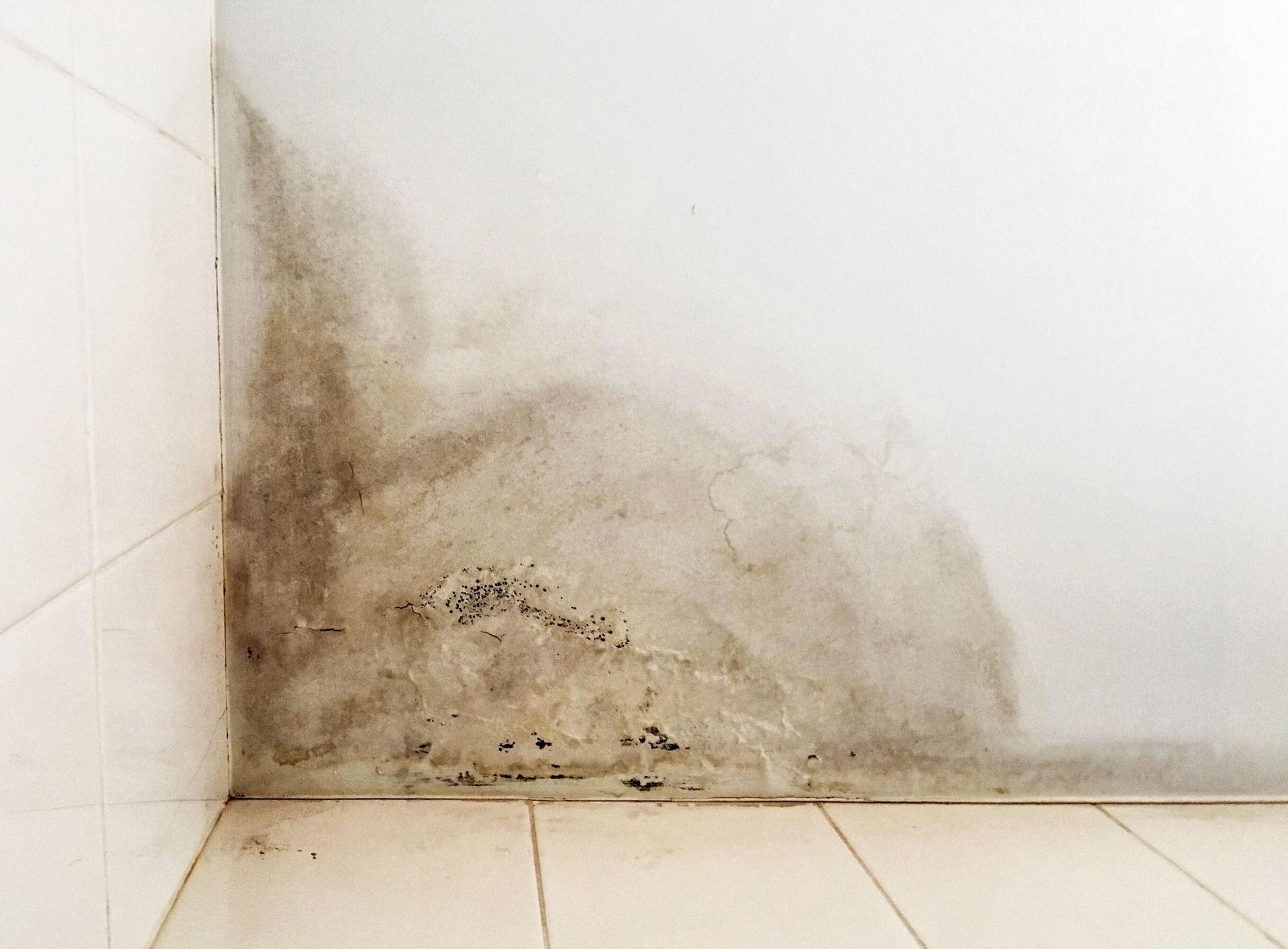
According to This Old House, there are four main signs of mold on wood: a musty smell, thread-like growth, a slimy or fuzzy appearance, and discolored patches. If you notice these signs, you may want to turn to a mold remediation service to diagnose, address, and prevent the extensive damage that mold can inflict. Let's delve into the nature of mold, its impact on wood, and the detailed process of remediation that protects, preserves, and prolongs the life of wooden structures.
Initial Assessment and Inspection
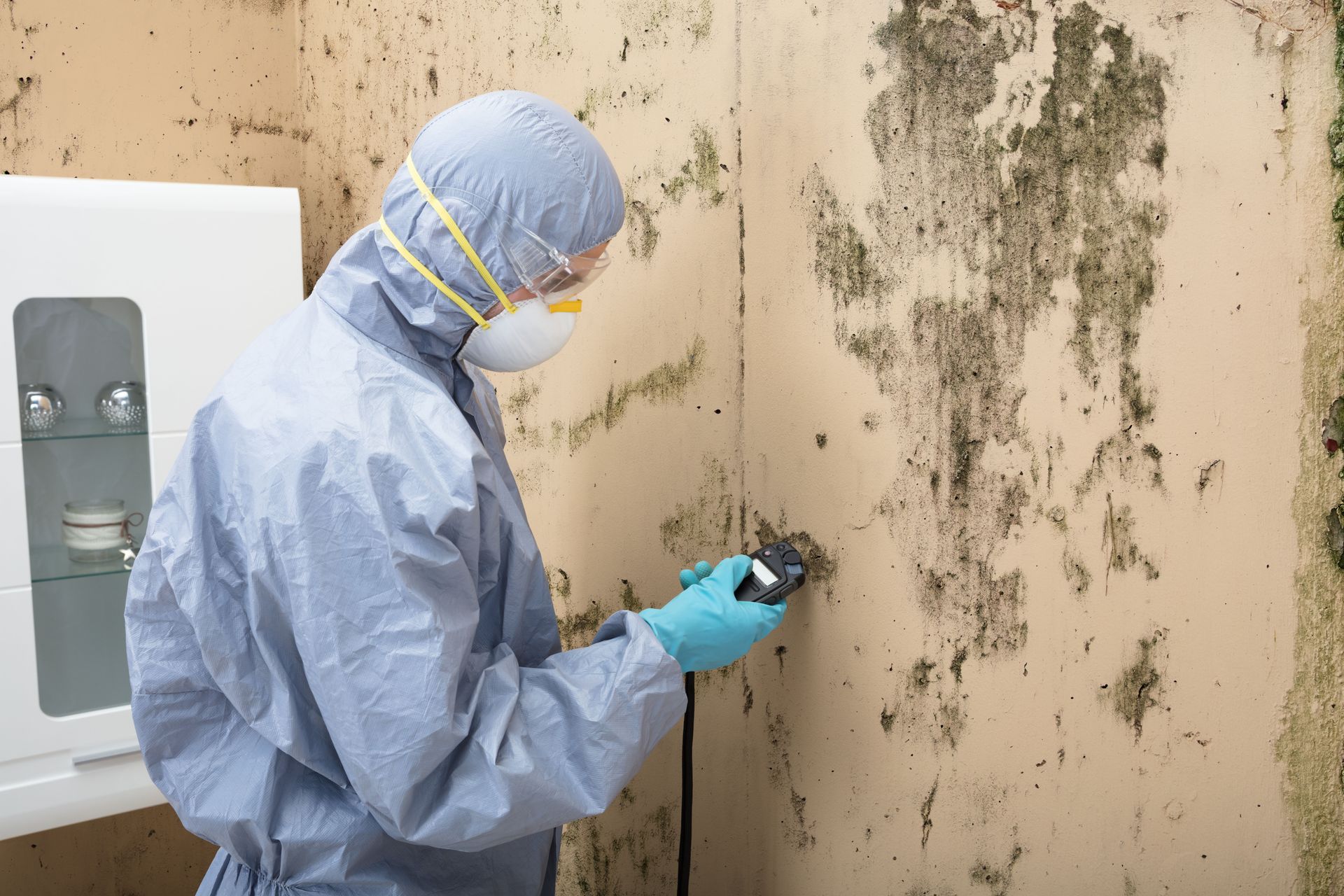
The first step in the mold remediation process involves a thorough inspection and assessment of the affected areas. Professionals use various tools, such as moisture meters and infrared cameras, to detect hidden mold that is not visible to the naked eye. This assessment helps identify the extent of the infestation and lays the foundation for an effective remediation strategy. By understanding the severity and spread of mold, mold remediation service technicians can develop a tailored plan that targets specific areas without unnecessary interventions. Accurate assessment ensures the efficient allocation of resources and optimizes the success of the remediation efforts.
During this preliminary phase, specialists also consult with property owners to understand the history of water leaks, plumbing issues, or recent weather-related damage in the building. A visual walkthrough combined with targeted surface and air sampling helps identify the specific species of mold and pinpoints exact moisture pockets trapped within wooden joists, drywall, and subflooring. Establishing this comprehensive baseline profile ensures that technicians address not only the visible colonies, but also the root causes driving fungal growth before any physical removal begins.
Containing the Mold
Mold containment is a critical phase in the remediation process, preventing the spread of spores to unaffected areas of the home. Techniques such as erecting barriers, sealing off affected zones, and utilizing negative air machines are employed to isolate the mold-infested sections. Containment efforts effectively keep mold disturbances localized, mitigating the risk of cross-contamination.
This process requires patience and precision, as any leakage can potentially sabotage the overall remediation effort. By securing containment, a controlled environment is established, paving the way for successful mold removal and prevention measures.
Removal Techniques for Mold on Wood
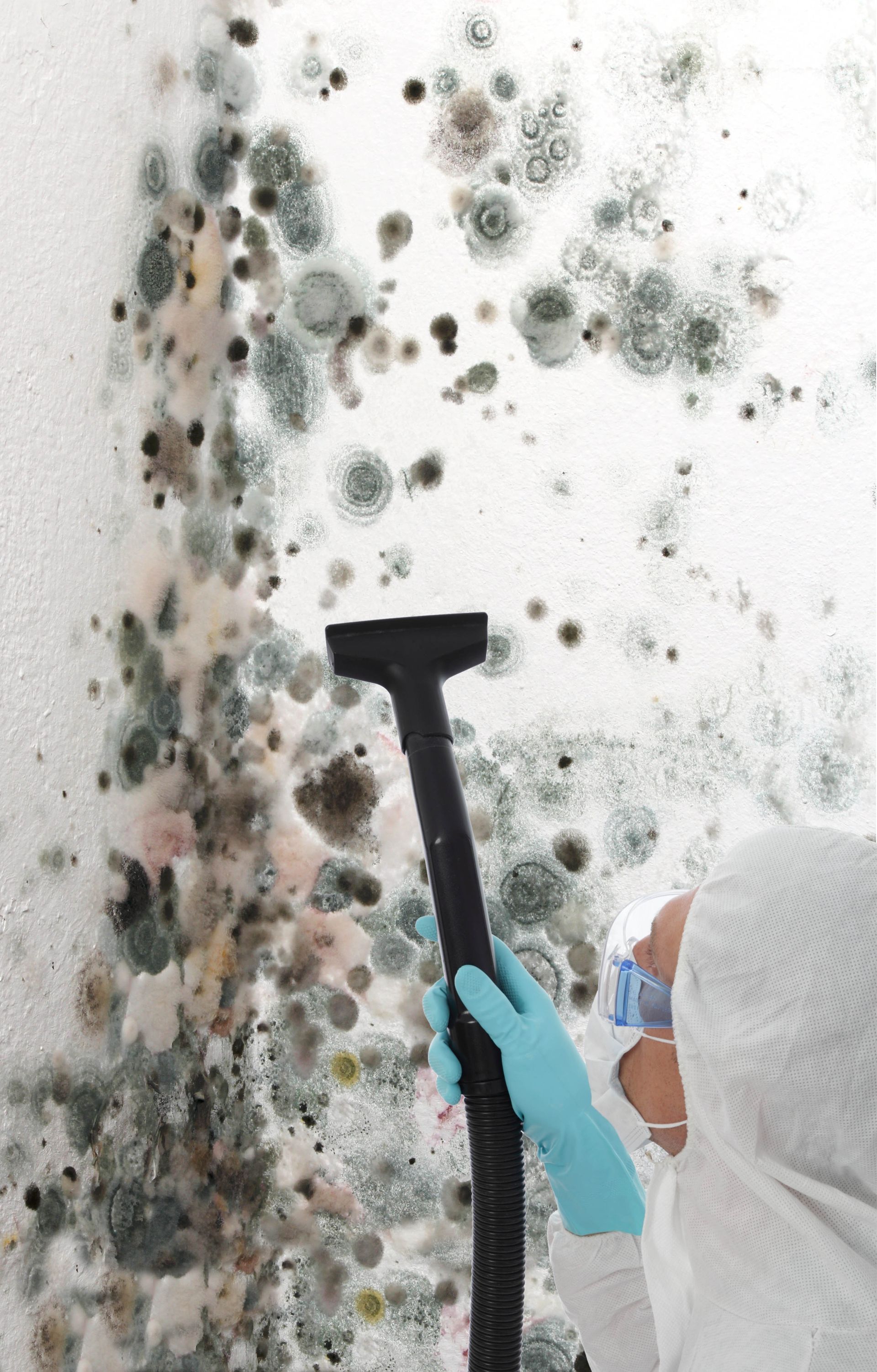
Once containment is achieved, professionals proceed with the removal of mold from wooden surfaces. Various techniques, such as sandblasting, HEPA vacuuming, and chemical treatments, are used to cleanse mold from the wood without damaging it. These methods ensure that mold's root-like structures are effectively eliminated, leaving behind clean and usable wood. Depending on the extent of mold penetration and the type of wood, mold remediation service strategies may vary, necessitating a nuanced and adaptable approach. Thorough mold removal is pivotal in restoring wood's integrity and preventing future growth.
For structural lumber where mold hyphae have deeply penetrated porous surfaces, technicians frequently employ advanced abrasive cleaning methods like dry-ice blasting or soft-grit sanding. These specialized techniques effectively strip away embedded fungal roots without degrading the load-bearing capacity of structural beams. Throughout this phase, technicians continuously wear specialized personal protective equipment (PPE), including full-face respirators and suit enclosures, to ensure personal safety while meticulously extracting mold residues from every crevice.
Cleaning and Disinfecting Wood Surfaces
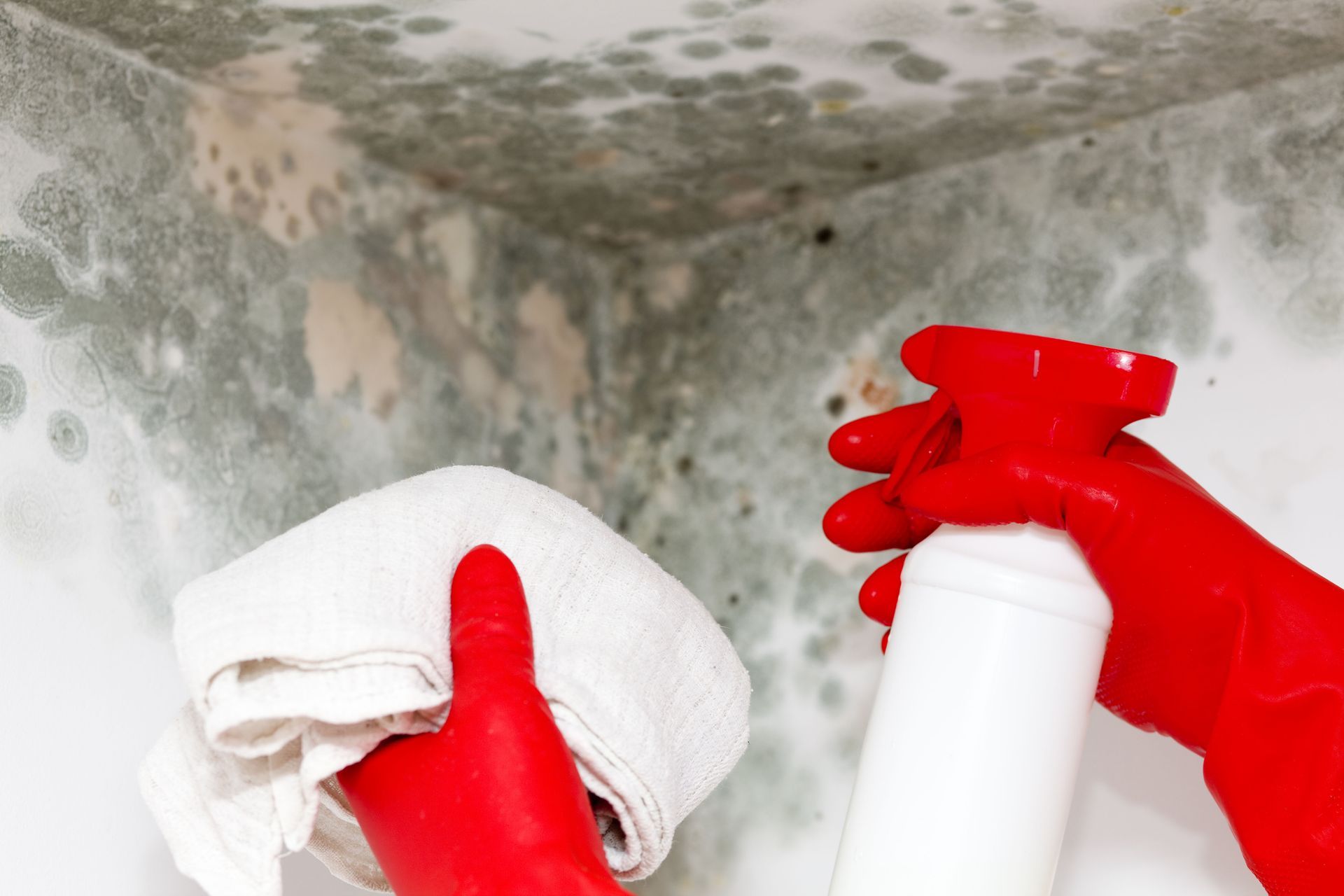
Following mold removal, the next step involves cleaning and disinfecting affected wood surfaces to ensure no residual spores remain. Disinfectants and antimicrobial treatments are applied to eradicate any remaining mold remnants and deter future infestations.
This process not only treats existing problems but also sets the stage for long-term prevention by creating an inhospitable environment for mold. Cleaning and disinfection are exemplary preventive steps, necessary for sustaining the health of wooden structures. They provide a mold-free foundation that fosters safe habitation and peace of mind.
Verification of Mold Removal
Verification is the final step in the remediation process, ensuring the effectiveness of the cleaning and removal strategies implemented. Mold remediation service professionals conduct air quality tests and re-inspections to ascertain that all mold spores have been eradicated and the environment is safe for occupancy. This phase acts as quality control, confirming that the remediation efforts met required standards and guaranteeing homeowner satisfaction.
By ensuring successful mold removal, the likelihood of recurrence is decreased dramatically. Verification solidifies the trust homeowners place in professional services and affirms the longevity of wooden structures post-remediation.
Drying Out Wooden Structures
Drying is a cornerstone technique in mold remediation aimed at eliminating moisture, which is a key driver of mold growth. Industrial dehumidifiers and air movers are employed to rapidly and effectively decrease moisture levels. These devices work in tandem to create a hostile environment for mold, thus preventing regrowth.
Drying isn't a one-time task but an ongoing maintenance strategy essential for preserving the health of wooden structures. Eliminating moisture borders on preventive care, ensuring that wood maintains its structural integrity over time.
Treating Wood With Antimicrobial Solutions
Application of antimicrobial solutions is a proactive method tailored to protect wood from potential mold attacks. These solutions form a protective layer on the wood's surface, inhibiting mold and mildew growth by deterring spore attachment and colonization.
By treating wood with such solutions, homeowners significantly reduce the chances of recurring mold problems, ensuring a long-lasting defense. This preventive measure fosters a healthier indoor environment and preserves the aesthetics and function of wooden structures. Strategic application of antimicrobial solutions is a forward-thinking approach in the battle against mold.
Using Advanced Equipment in Remediation
Technological advancements have introduced a variety of sophisticated equipment that aids in the efficient remediation of mold. HEPA-filtered vacuums, high-capacity dehumidifiers, and air scrubbers are among the tools enhancing the remediation process. These devices ensure comprehensive cleaning, efficient drying, and improved air quality, reducing the chances of mold recurrence.
Advanced equipment enables remediation services to handle even the most severe mold infestations with precision and efficacy. The adoption of cutting-edge tools underscores the evolution of mold remediation into a highly specialized, effective service.
Preventative Measures to Protect Wood
Prevention plays a crucial role in mold remediation and is pivotal in preserving wooden structures for the long term. By regularly inspecting and maintaining wooden areas, homeowners can catch early signs of moisture buildup or mold presence. Preventive steps such as enhancing ventilation, sealing leaks, and reducing humidity levels can keep mold growth at bay.
When incorporated into routine home care, these practices significantly diminish the chances of mold damage to wooden structures. Emphasizing preventive measures leads to enhanced durability and longevity of homes.
Restoring Wood's Aesthetic and Structural Integrity
Restoring the aesthetic and structural integrity of wood post-remediation is an essential undertaking in preserving the beauty and functionality of wooden structures. This involves buffing, sanding, and refinishing exposed wood surfaces to restore their natural appearance. For structural issues, carpenters may need to reinforce or replace severely damaged areas to bring them up to safety standards.
Aesthetic restoration not only beautifies homes but also adds value, enhancing the overall living experience. Strategic restoration endeavors contribute to the transformative power of successful mold remediation services.
While mold poses a serious threat to the longevity, beauty, and safety of wooden structures, it does not have to mean permanent damage. From meticulous initial inspections and containment to specialized removal, drying, and preventative treatments, a professional mold remediation service like SMS Indoor Environmental Cleaning Inc provides a comprehensive defense that addresses both active growth and its underlying root causes. Reach out to us today to get started.


Share On: